
3D Modelling
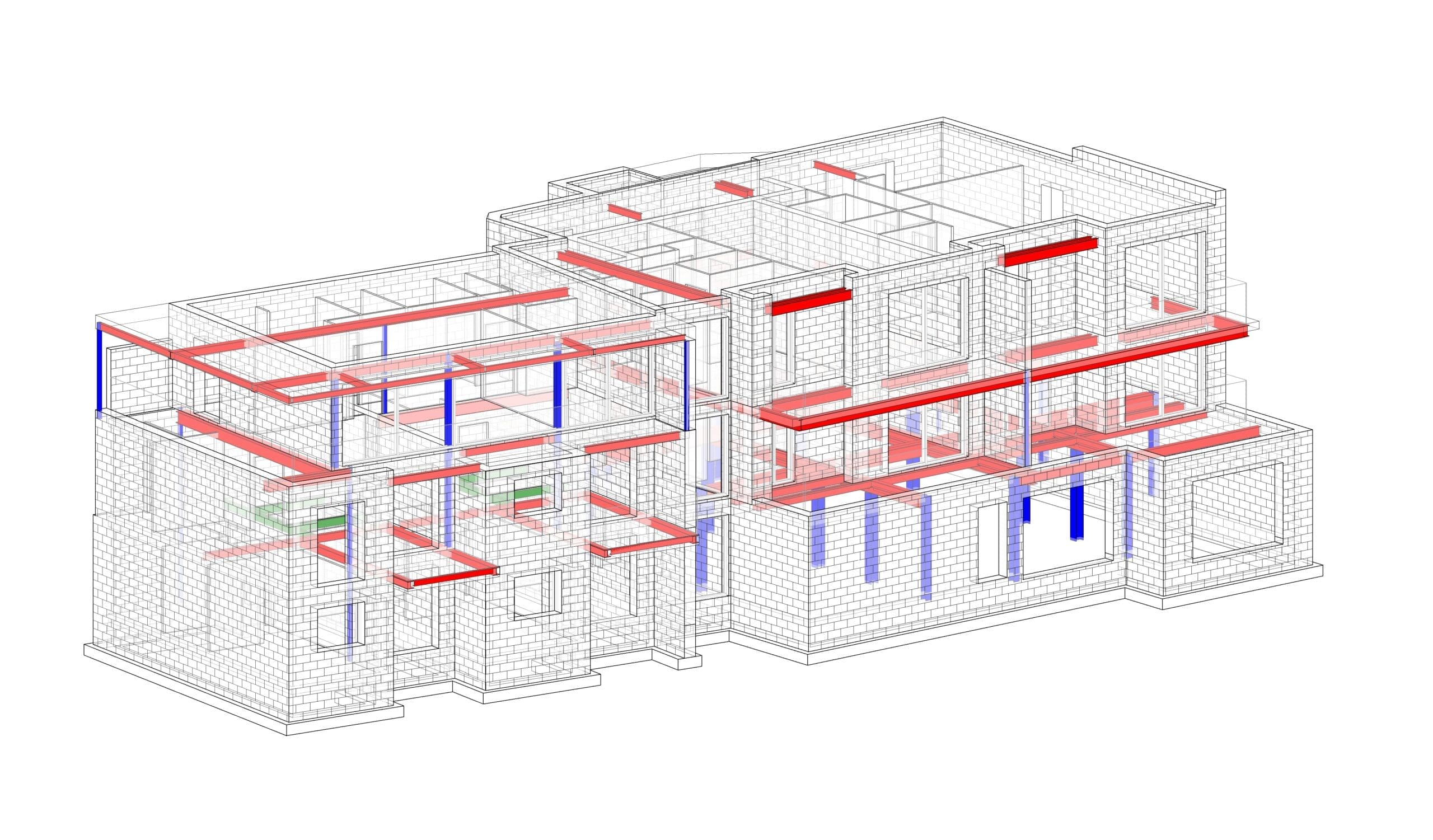
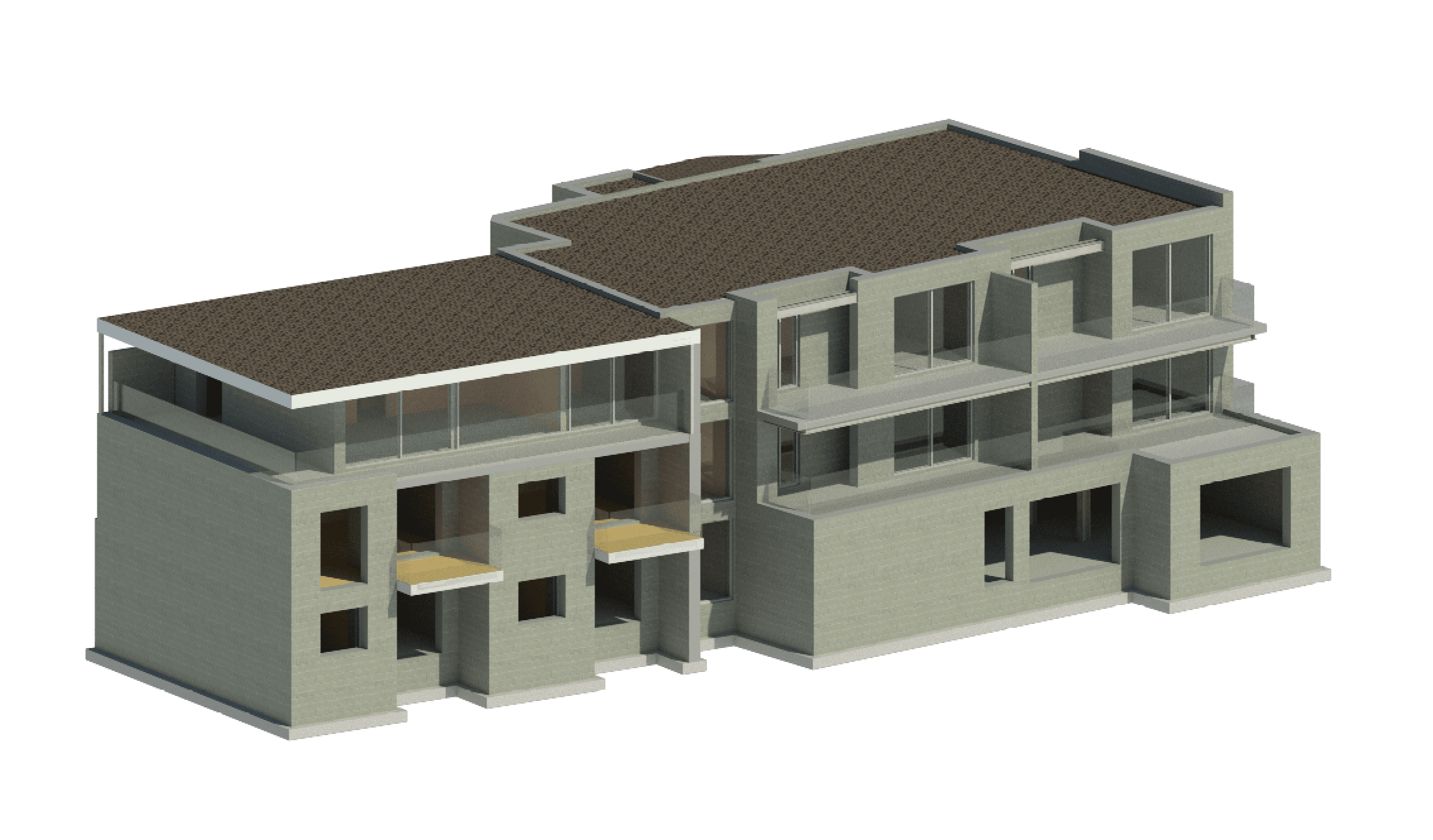
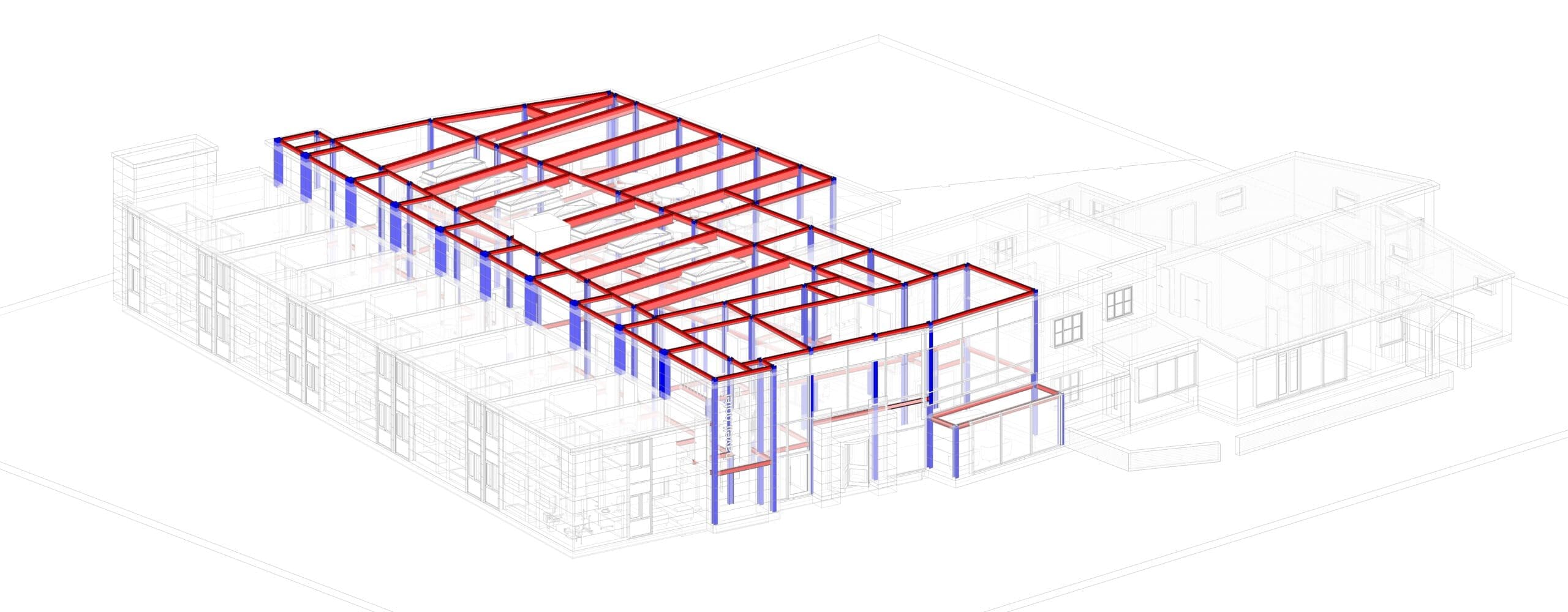
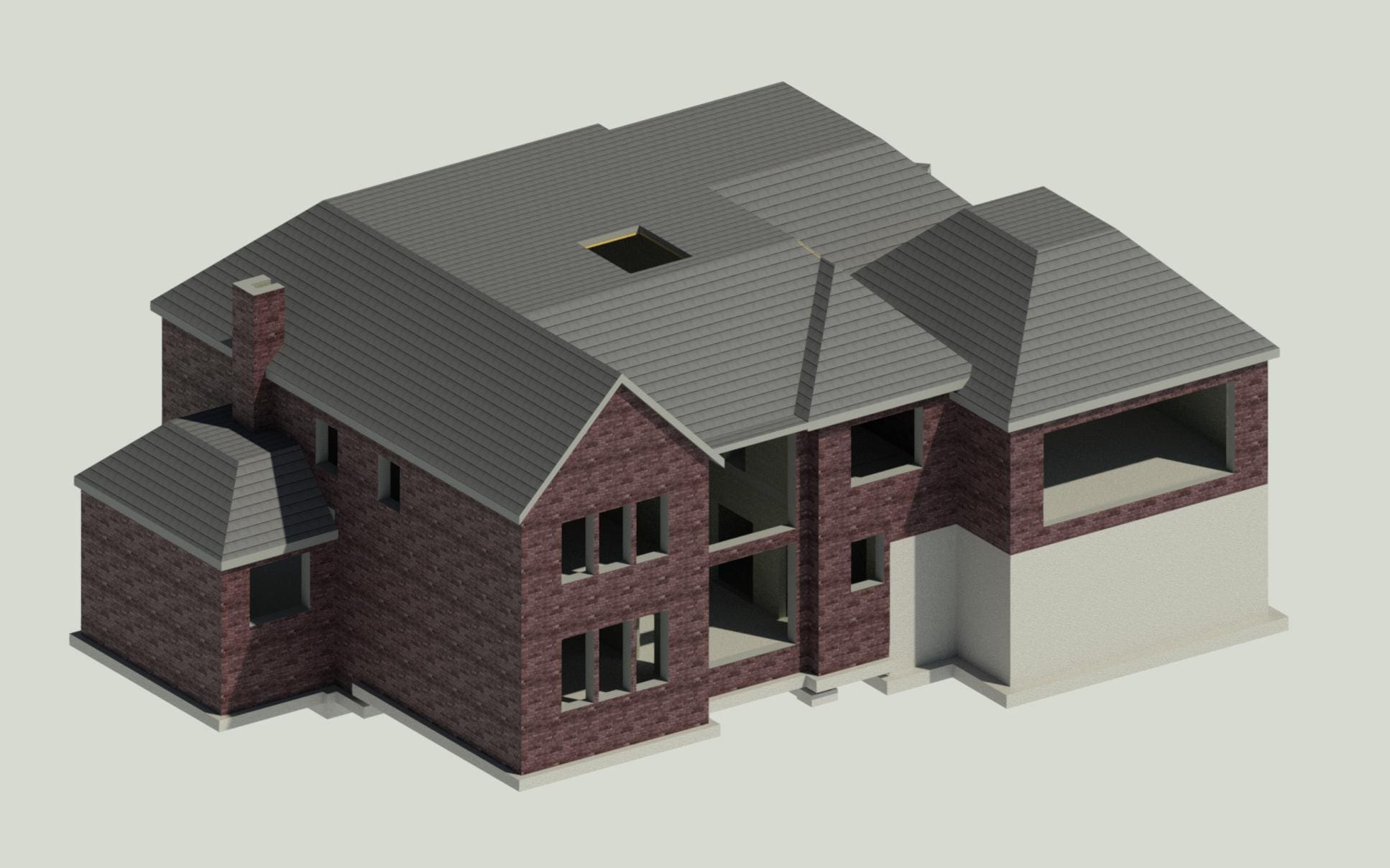
We utilise Revit software to create detailed 3D models with a wide range of output options, from 2D drawings to 3D exports for coordination or conceptual viewing.
With extensive experience using Revit, the leading software for building design, we’re able to apply global industry standards to projects of all sizes. Our expanding team of Technicians ensures that our clients receive the best value from our services, using advanced methodologies employed by top-tier design companies.

Providing clear information in drawing or 3D format
We specialise in creating detailed 3D models from various sources, including 2D DWG files, Revit files, IFCs, and point clouds. Our deliverables include 2D drawings with integrated structural designs, 3D views for enhanced visualisation, and a comprehensive structural calculations pack for thorough documentation.
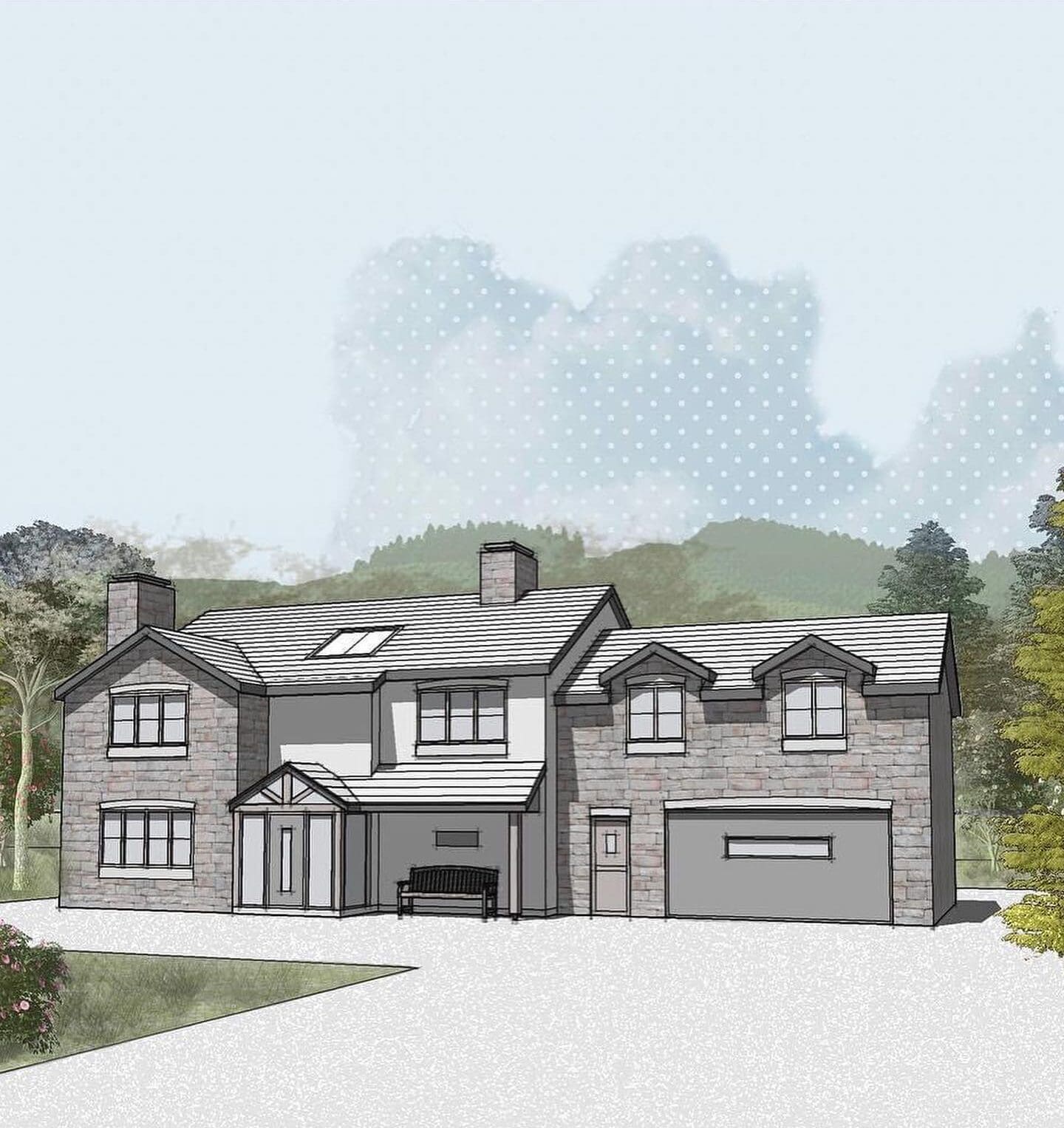
Architects working in 2D can easily bring their designs to life with a 3D conceptual model, ideal for client feedback and visualising perspectives. Our outputs include 2D drawings, 3D model exports, and Autodesk viewer links. Additionally, we offer optional high-quality renders for companies that specialise in visualisations for brochures or design concepts. We can also develop weight schedules for steels to assist with costing during the concept design phase.
Incorporating topographical surveys, we create accurate 3D models of existing surfaces and adapt them to proposed designs. Our outputs also include cut-and-fill calculations, providing contractors with essential data for accurate costing and construction planning.





Have a question?
What is the difference between 2D and 3D views in Revit?
In Revit, 2D views represent flat, orthographic representations of the building, such as floor plans, elevations, and sections. These views show the building’s design from a top-down or side perspective. On the other hand, 3D views display the model in three dimensions, allowing users to see depth and perspective.
What is Revit, and how does it benefit engineering consultancy firms?
For engineering consultancy firms, Revit enhances project coordination, improves accuracy, streamlines workflows, and reduces errors by allowing real-time updates and data-sharing between multidisciplinary teams.
How can Revit improve collaboration on engineering projects?
Revit supports collaborative workflows by allowing multiple users to work on the same model simultaneously. With features like worksharing and cloud-based collaboration tools, engineering teams can easily share updates and access the latest versions of the project. This minimizes misunderstandings, improves communication, and reduces the chances of costly errors or omissions.
How does Revit help with project visualisation and client presentations?
Revit offers powerful 3D visualisation tools that help engineering consultants present designs in a more interactive and engaging way. It allows clients to explore the design in detail through realistic renderings and virtual tours, aiding in better understanding and decision-making. This improves client communication and helps secure buy-in during the planning stages.
Latest projects
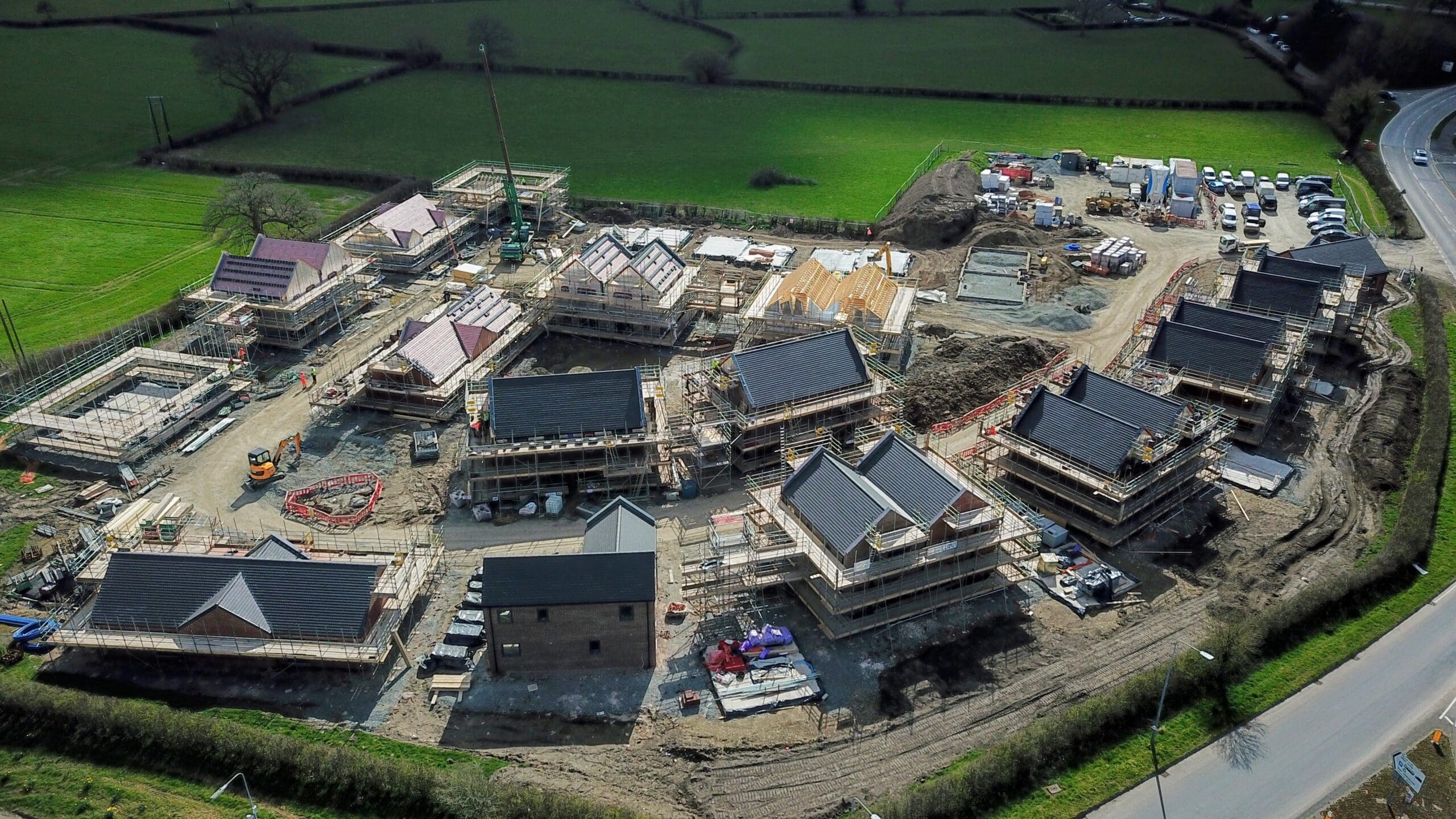
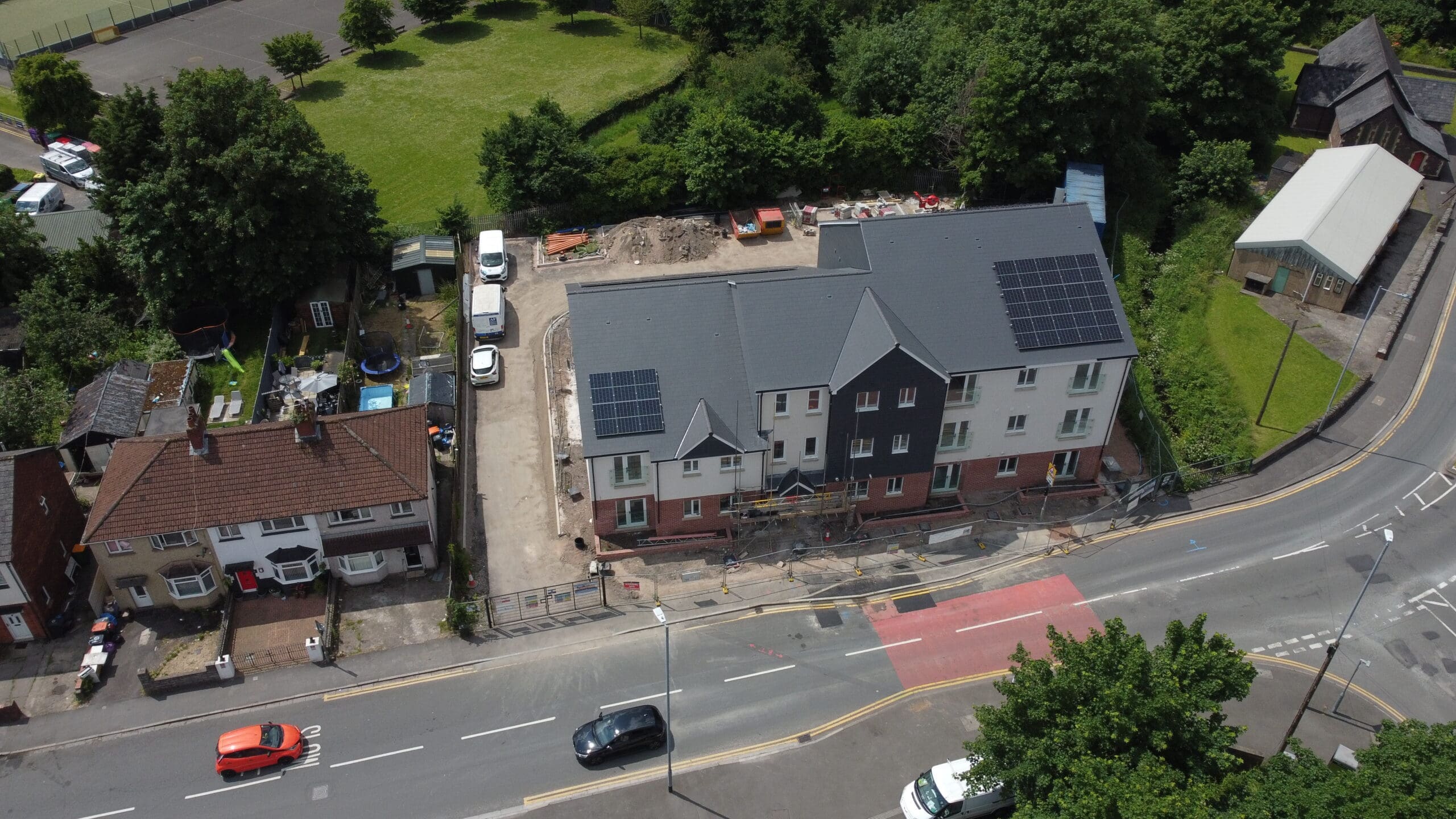
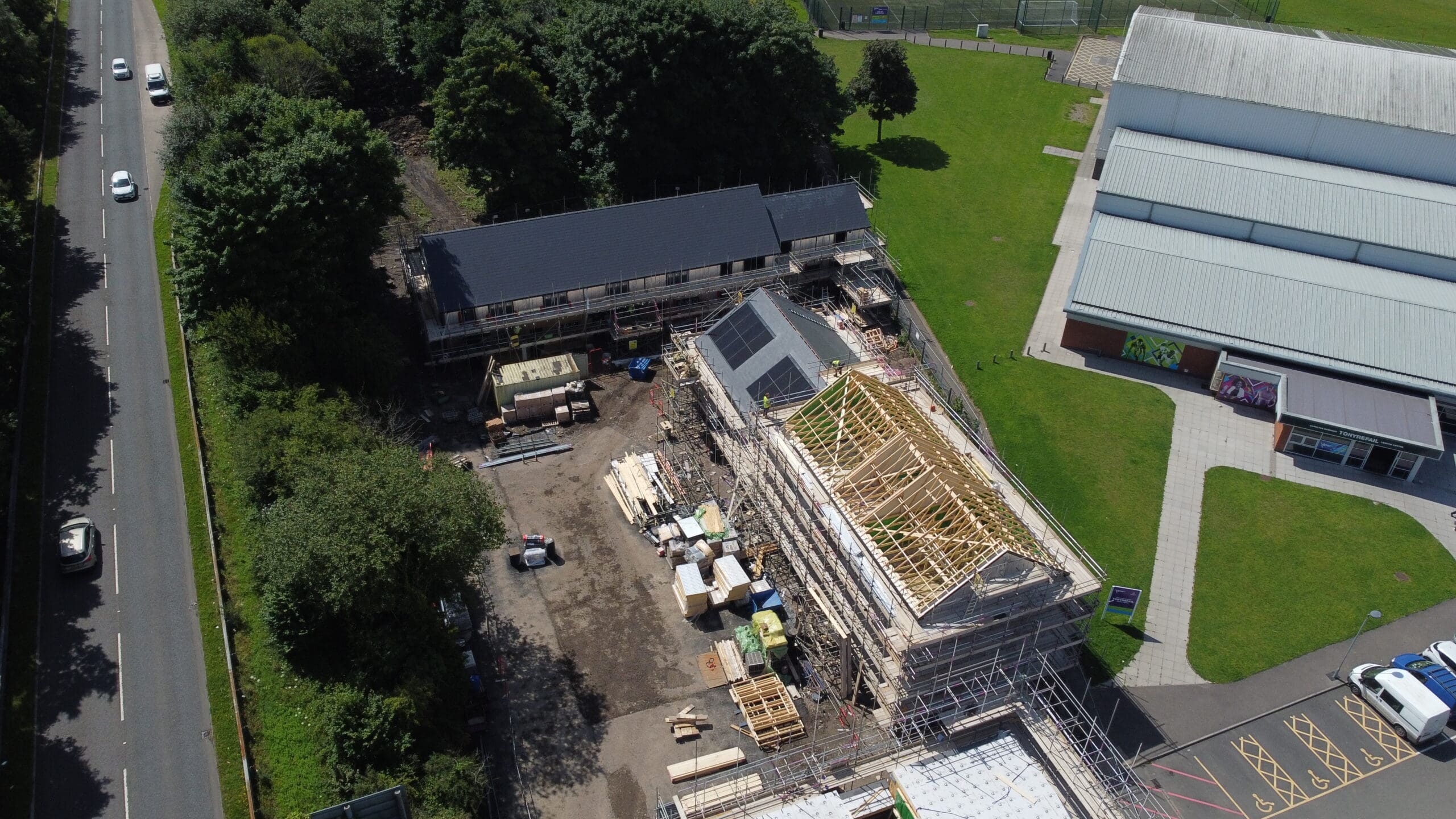
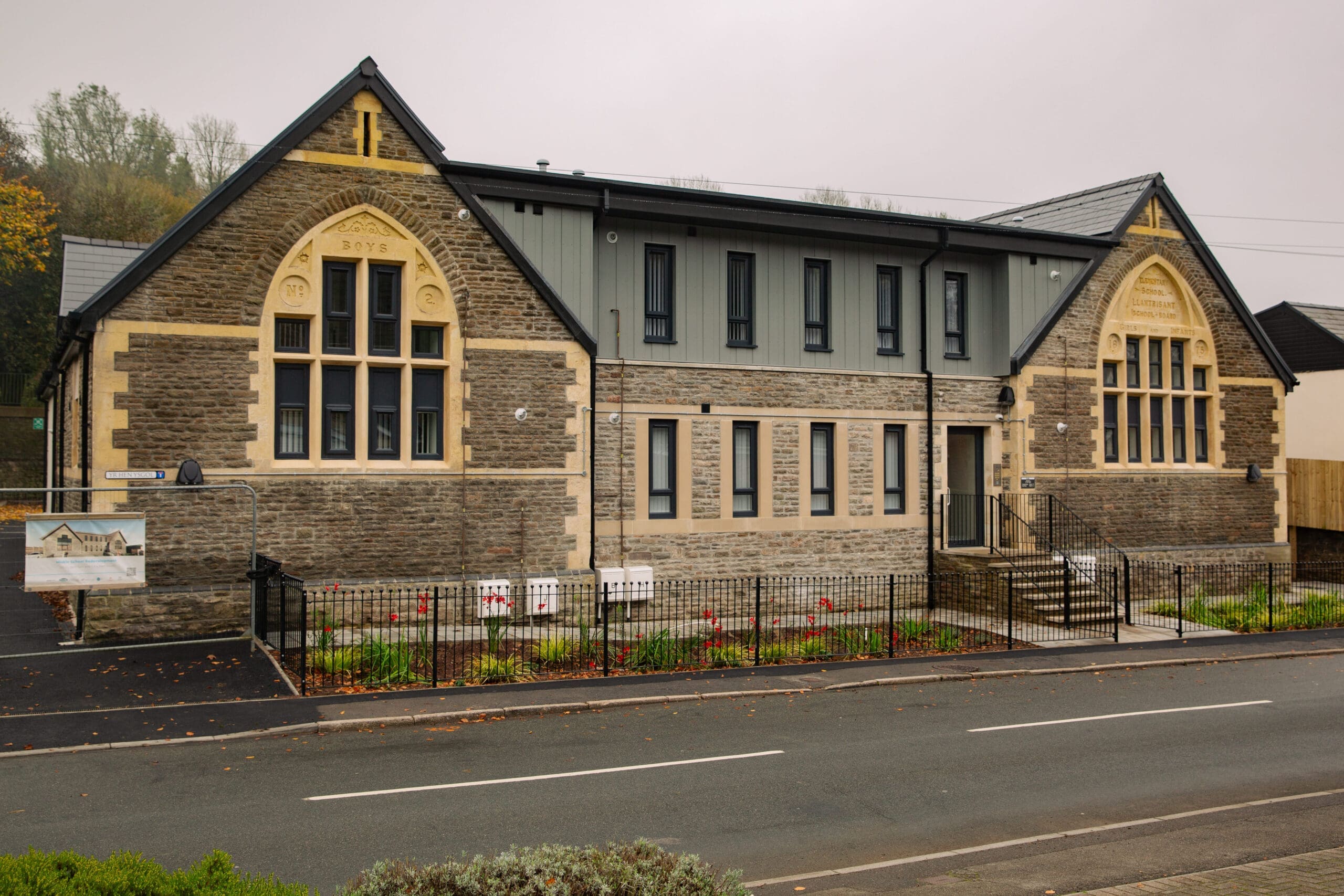
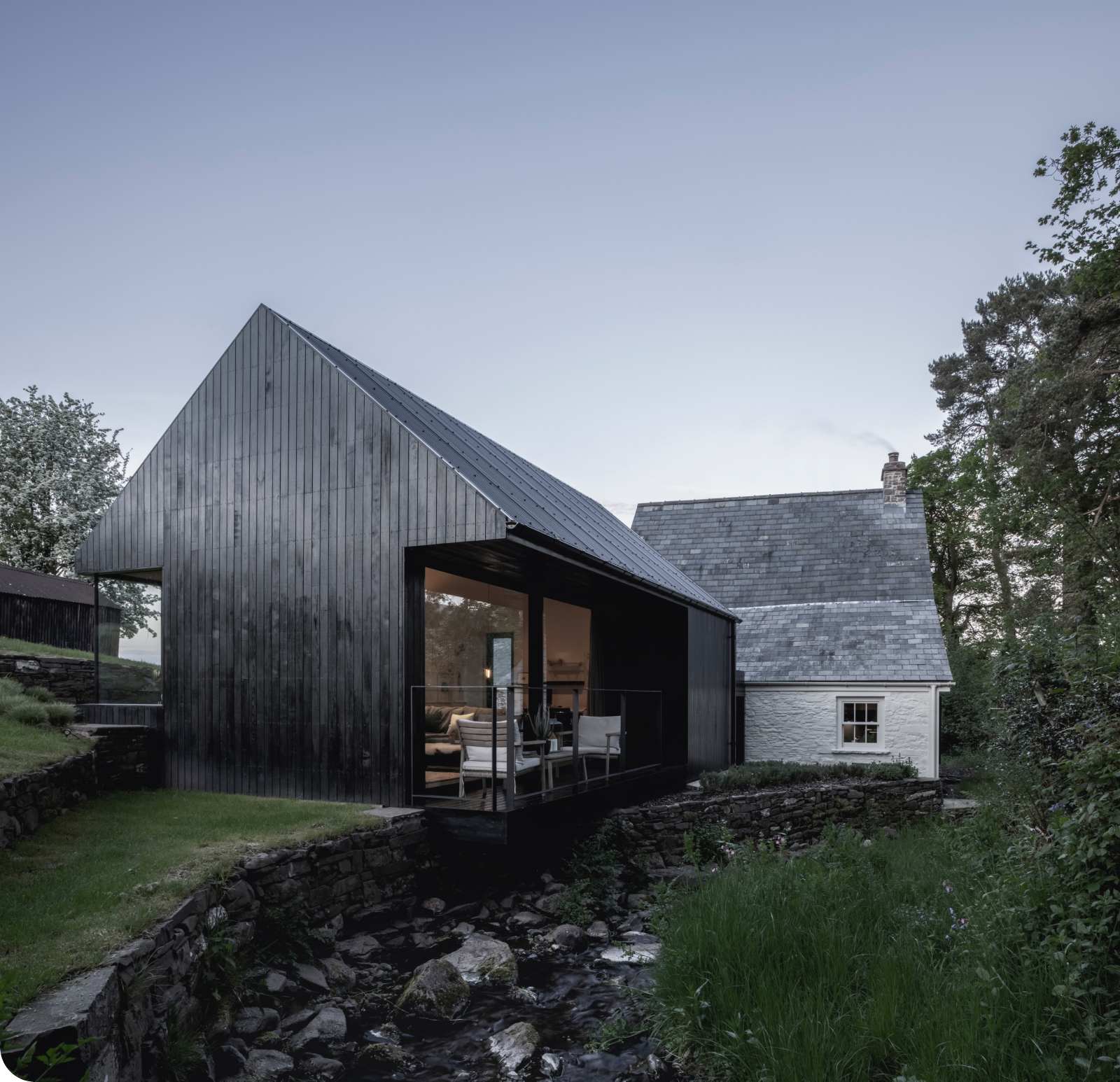
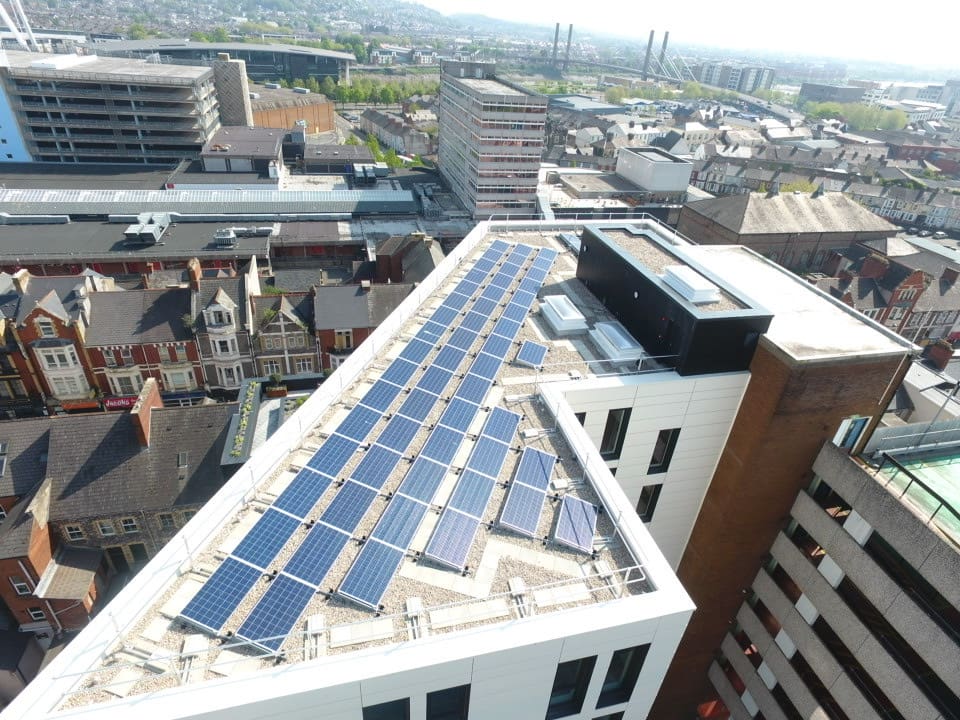
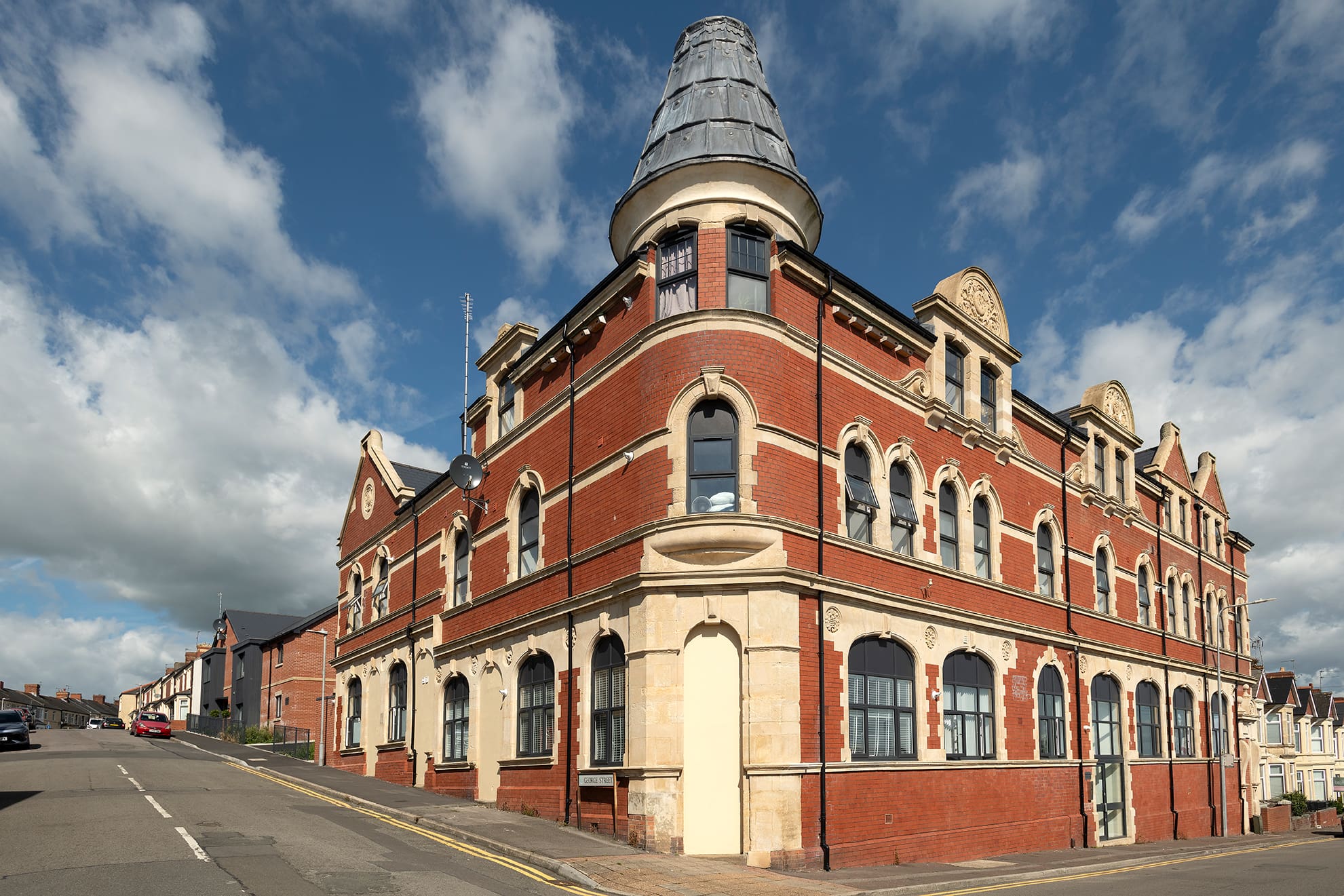
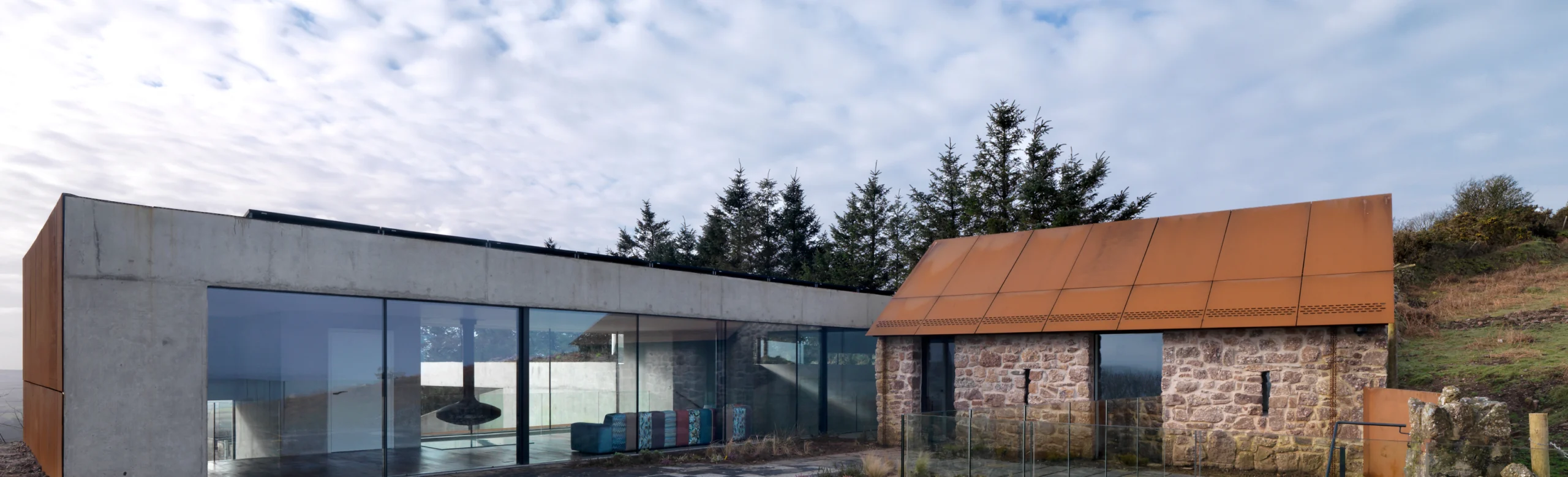
Browse a diverse range of projects across a variety of sectors highlighting examples of key services we provide our clients within Civil & Structural Engineering.









Start your project with us
Our engineers combine specialist knowledge and technical expertise to guide projects from start to finish.
Whether we are working with developers, architects, construction companies or directly with residential clients, our commitment to provide first-class customer service means that not only are your aspirations met, but they are met through a positive, open, and trusted relationship.