
Sustainable Drainage Design
We specialise in Sustainable Drainage Design (SuDS) and the preparation of Sustainable Drainage Approvals Body (SAB) applications to effectively manage surface water runoff and enhance environmental sustainability.
With a commitment to innovation and sustainability, we work closely with clients to deliver tailored solutions that meet specific project needs. Our expertise ensures that your development not only complies with regulations but also contributes positively to the surrounding environment.
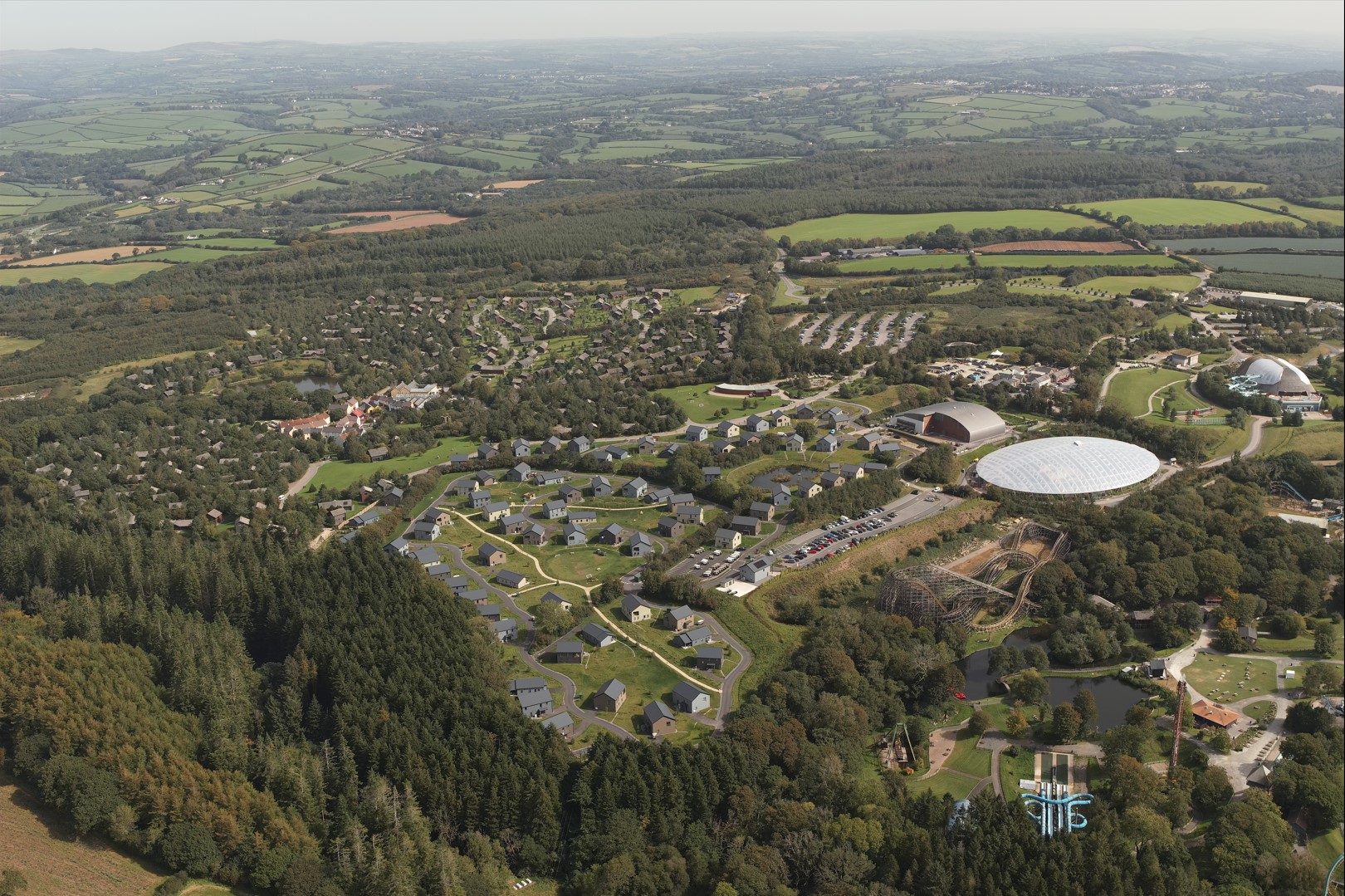
Integrating natural processes into urban environments
Sustainable Drainage Design involves integrating natural processes into urban environments to reduce flood risk, improve water quality, and promote biodiversity. By incorporating features such as permeable pavements, green roofs, and bio-retention systems, our designs mimic natural drainage patterns and provide multiple environmental benefits.
Our team is experienced in navigating the SAB application process, which is essential for obtaining approval for drainage systems in new developments. We ensure that all designs comply with regulatory requirements while demonstrating their effectiveness in managing surface water. We handle everything from site assessments to the preparation of detailed documentation, facilitating a smooth approval process.

Have a question?
What is Sustainable Drainage Design (SuDS)?
Sustainable Drainage Design (SuDS) refers to a set of techniques used to manage surface water runoff in a way that mimics natural drainage processes. SuDS aim to reduce flood risk, improve water quality, and enhance biodiversity by incorporating features like permeable surfaces, green roofs, and retention basins.
What is a SAB application?
A SAB application is a submission to a Sustainable Drainage Approvals Body (SAB) to obtain approval for a proposed drainage system. This application demonstrates that the drainage design meets regulatory standards and effectively manages surface water runoff, helping to prevent flooding and protect water quality.
Why are SuDS and SAB applications important?
SuDS and SAB applications are important because they provide a framework for managing surface water in a sustainable manner. By incorporating these practices, developments can reduce the risk of flooding, protect the environment, and comply with legal requirements, ultimately contributing to more resilient communities.
What factors are considered in a Sustainable Drainage Design?
Key factors in SuDS design include site topography, soil type, land use, existing drainage infrastructure, and local climate conditions. Additionally, the design must consider potential impacts on water quality, wildlife habitats, and flood risk to ensure a holistic approach to drainage management.
Latest projects
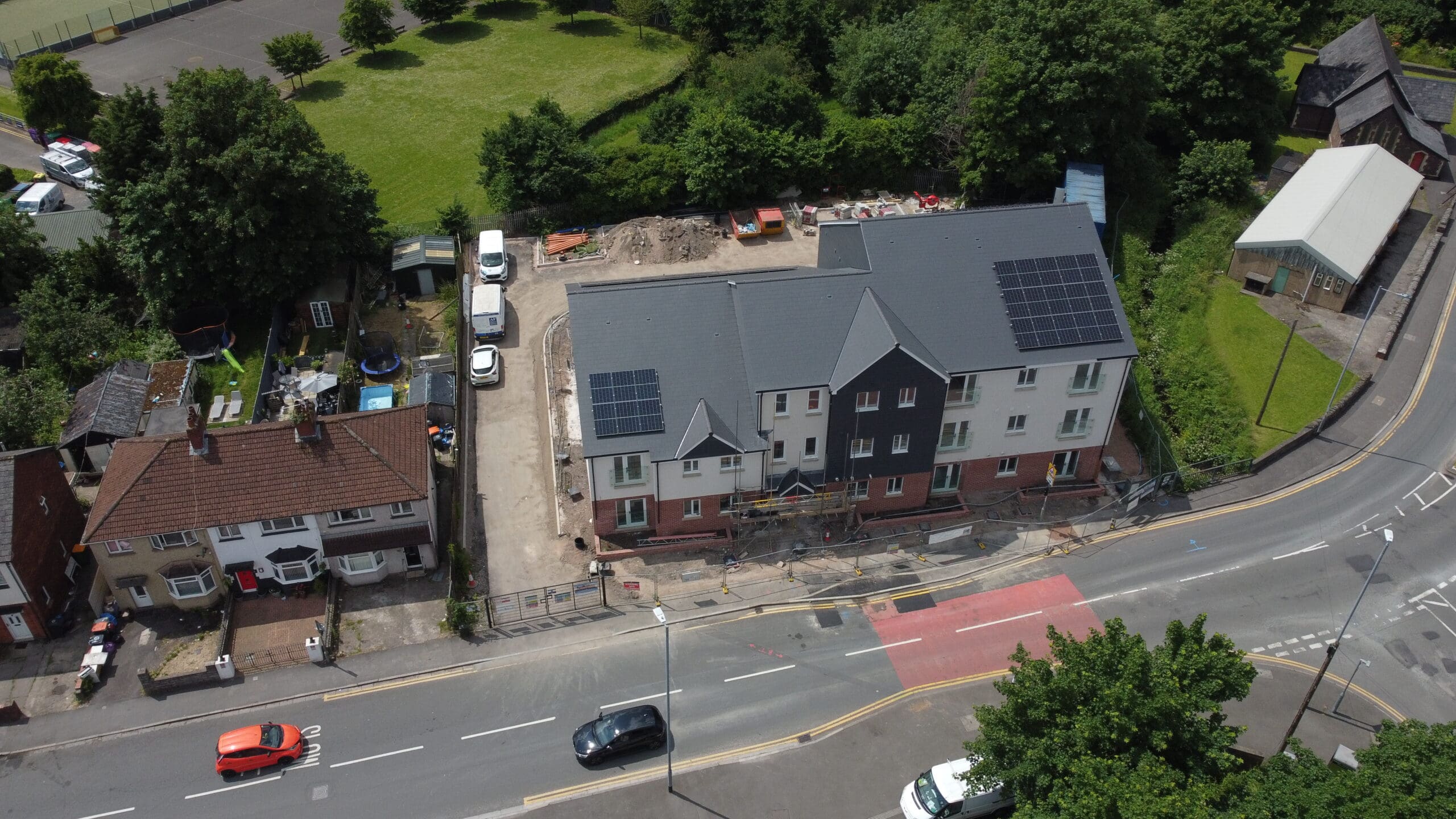
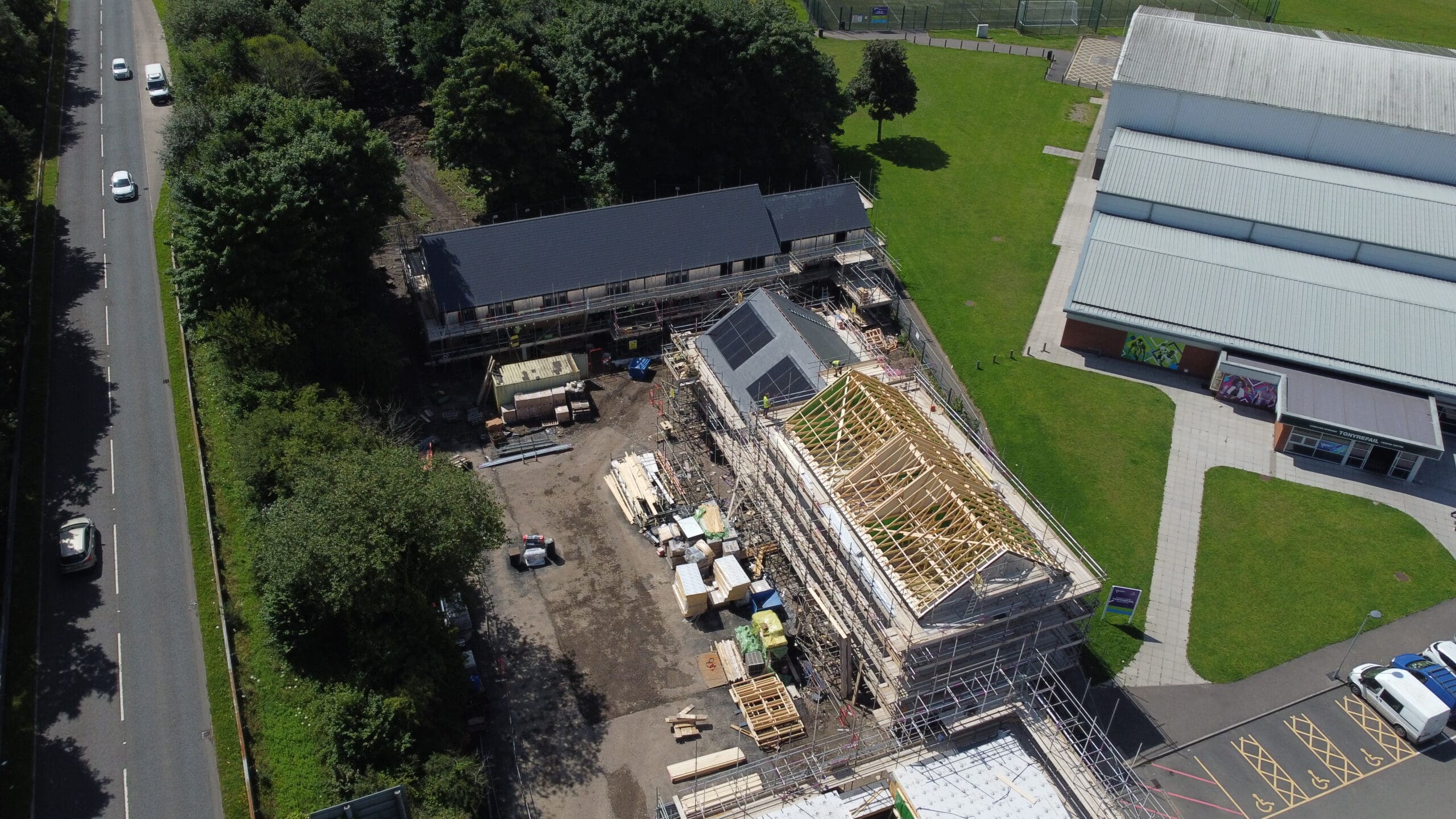
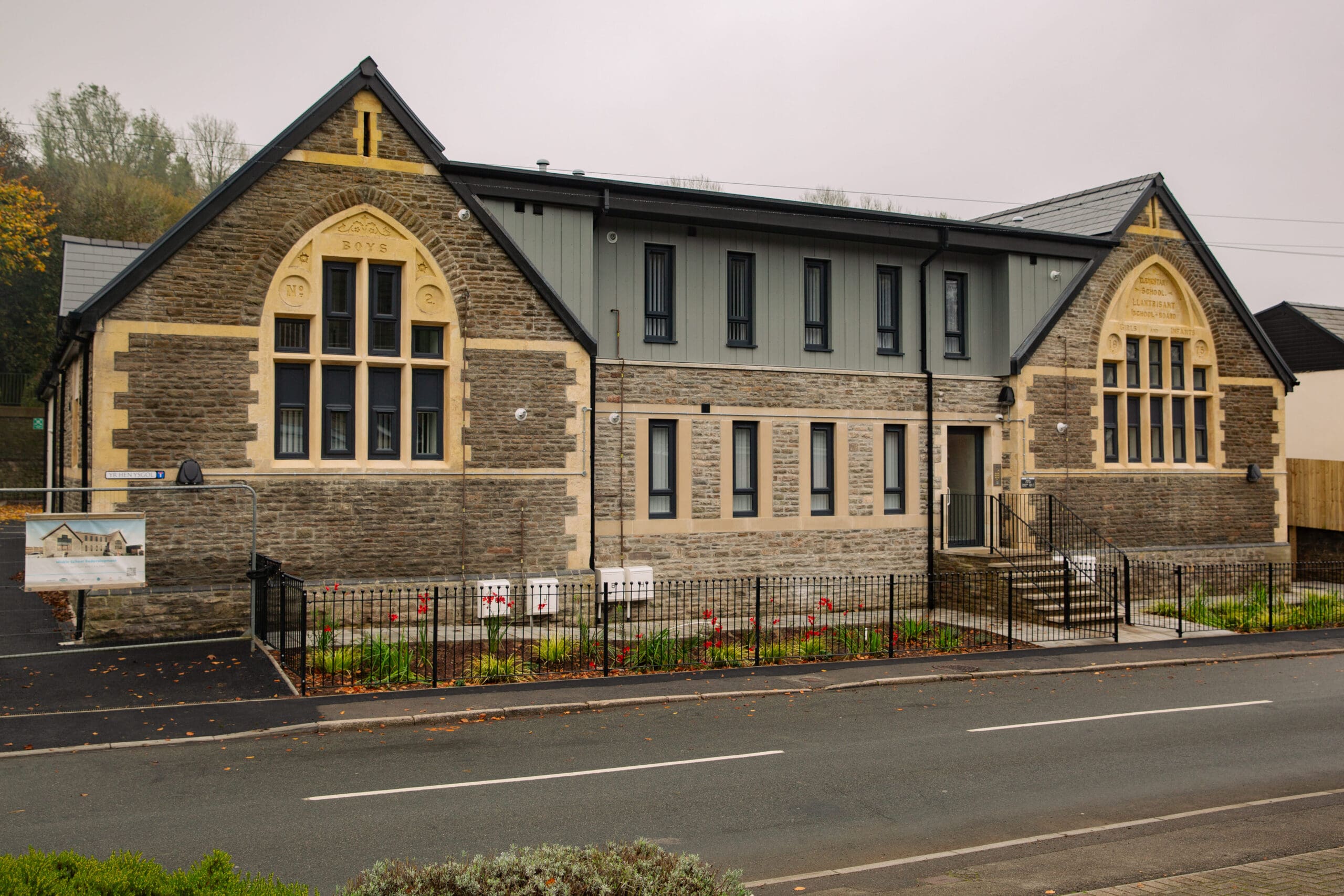
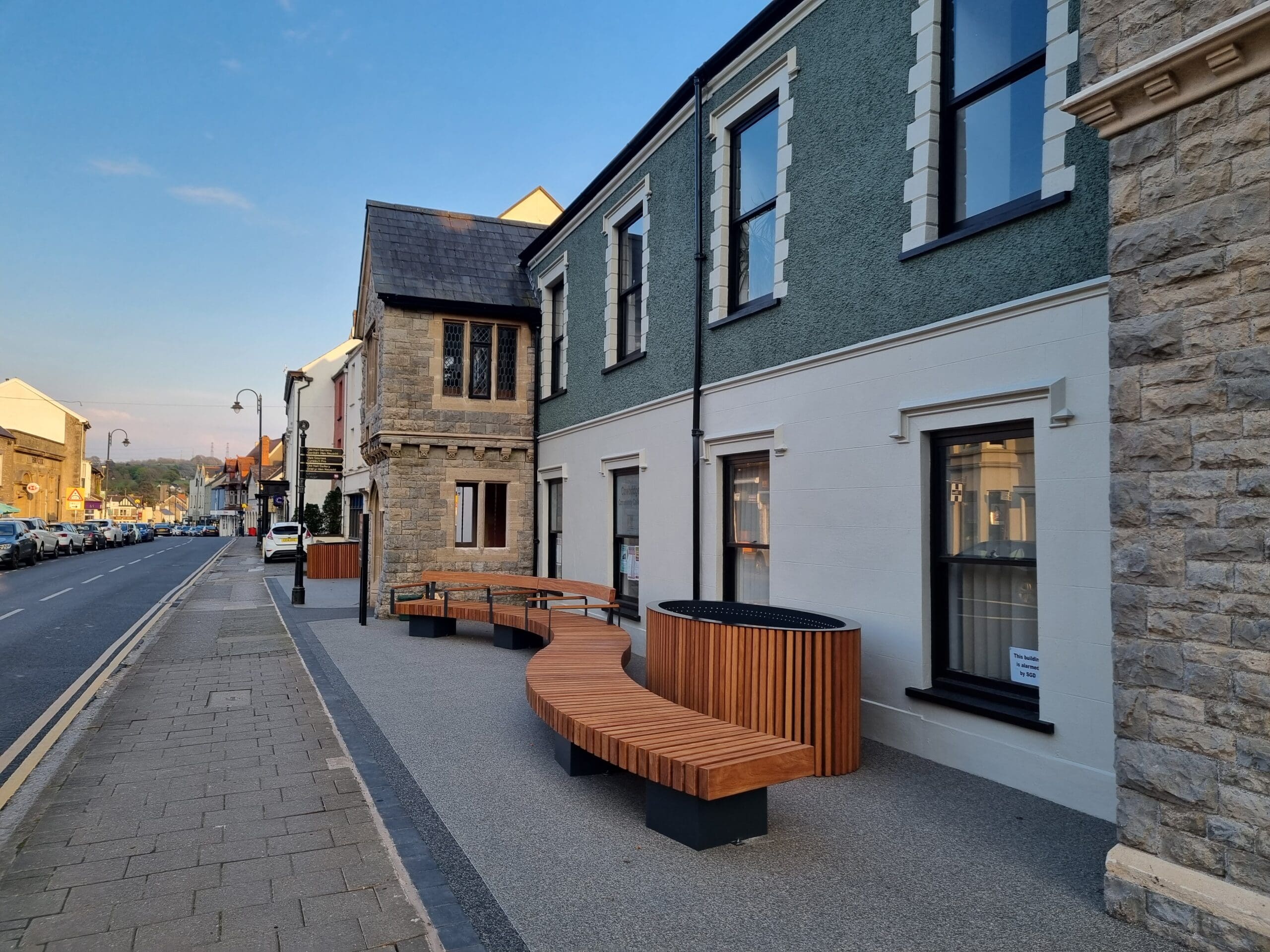
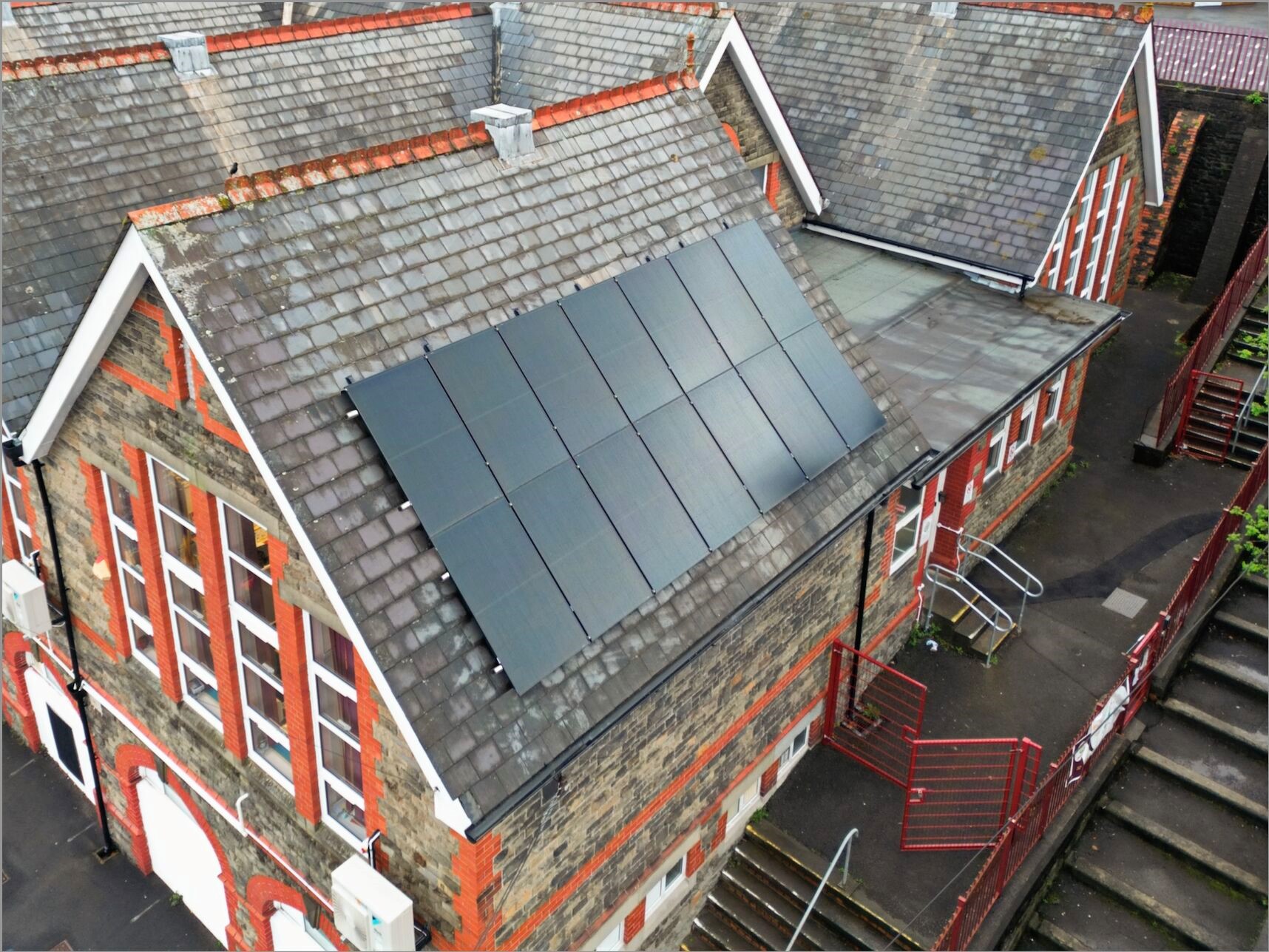
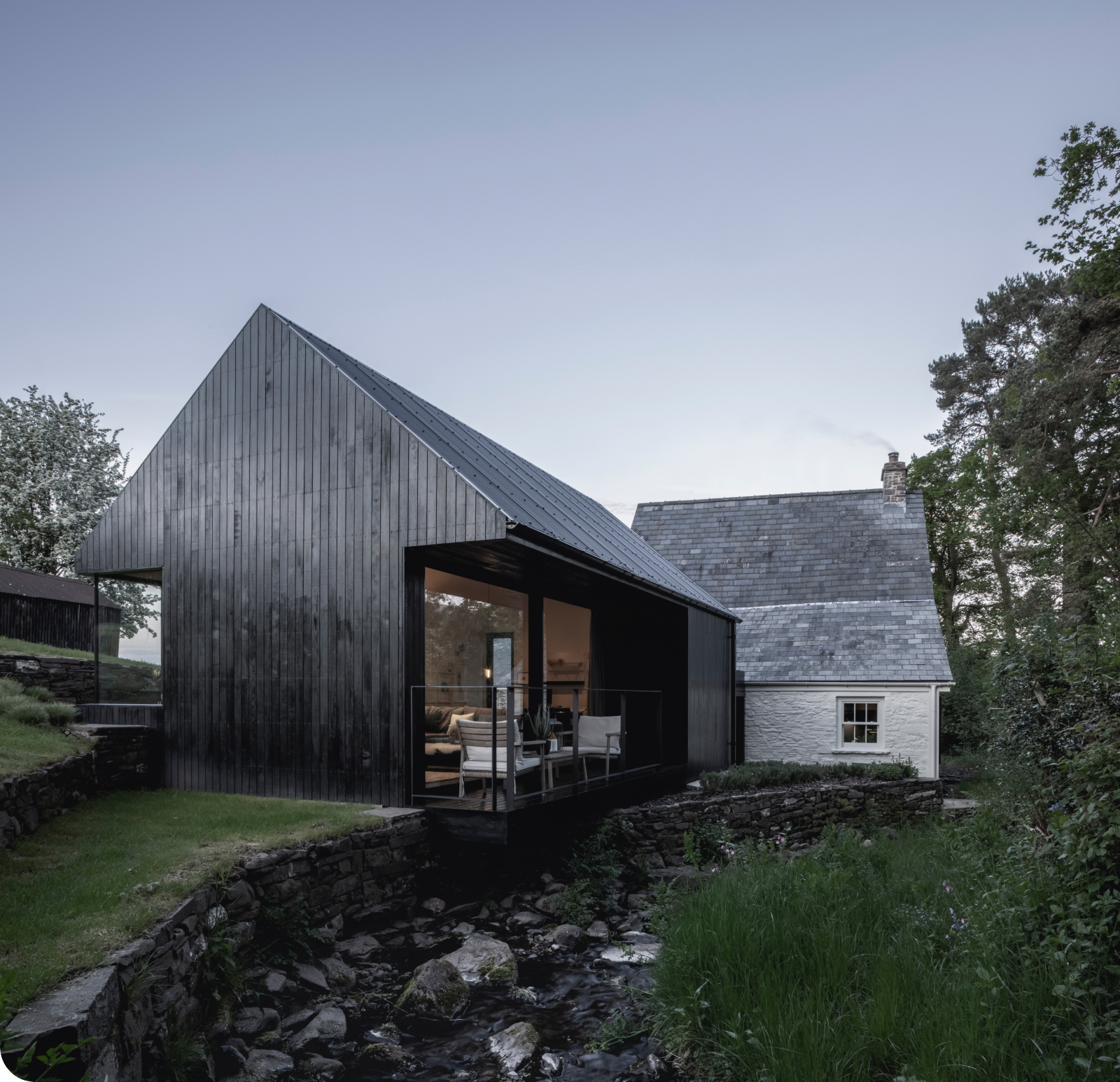
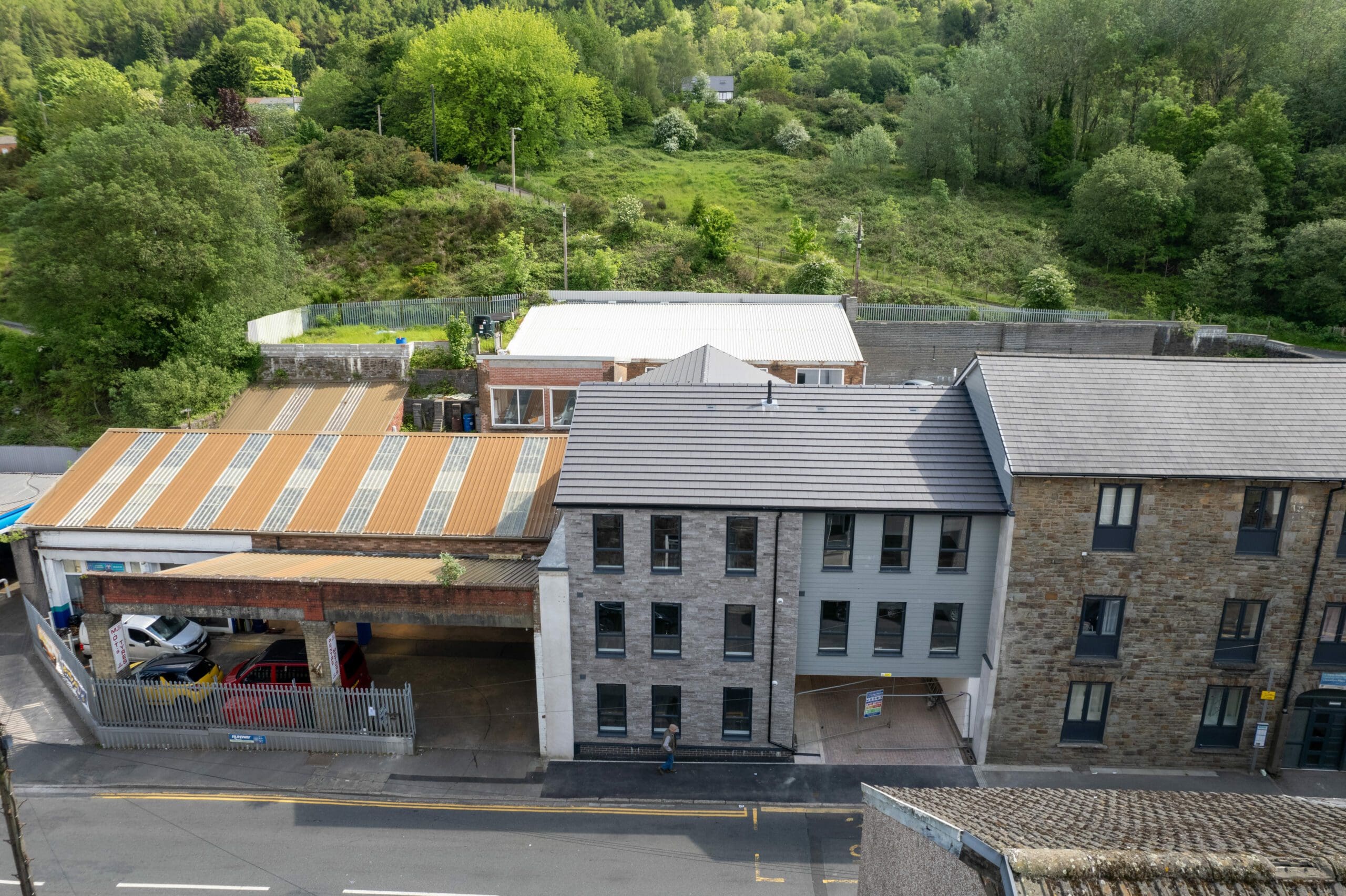
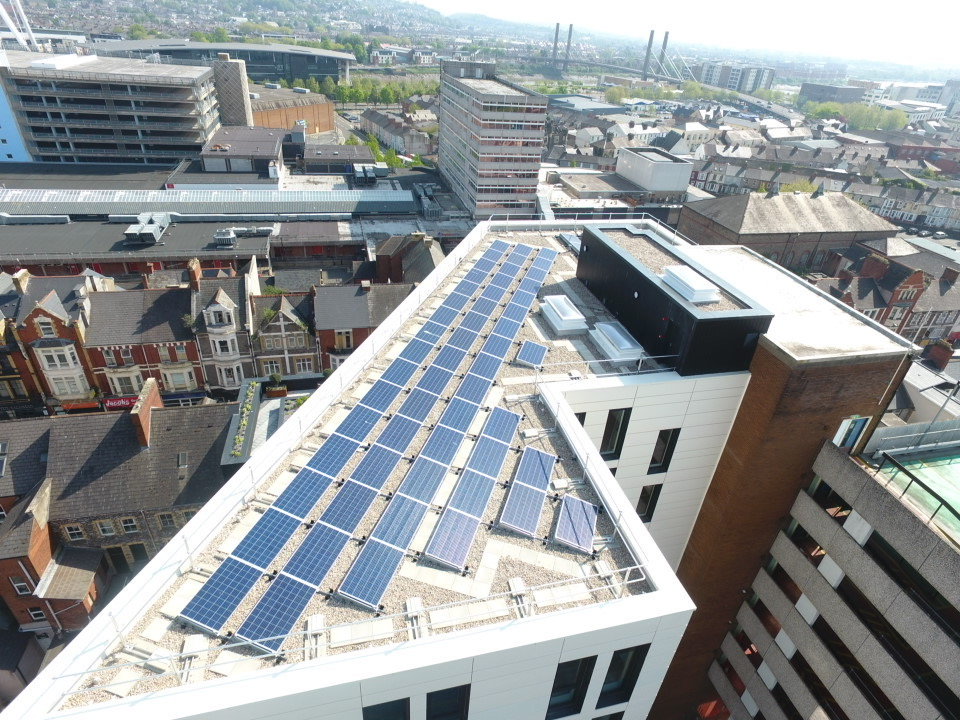
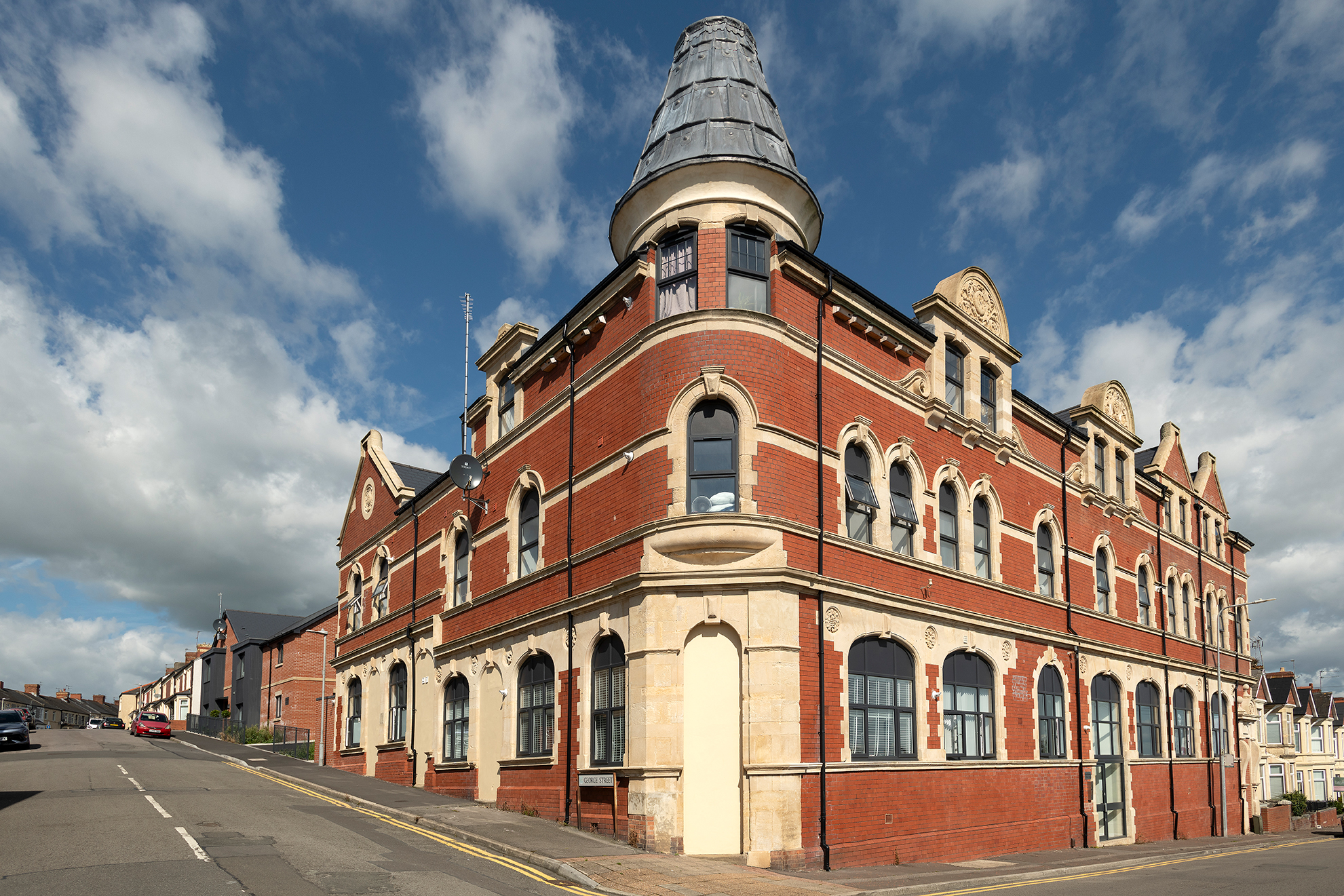
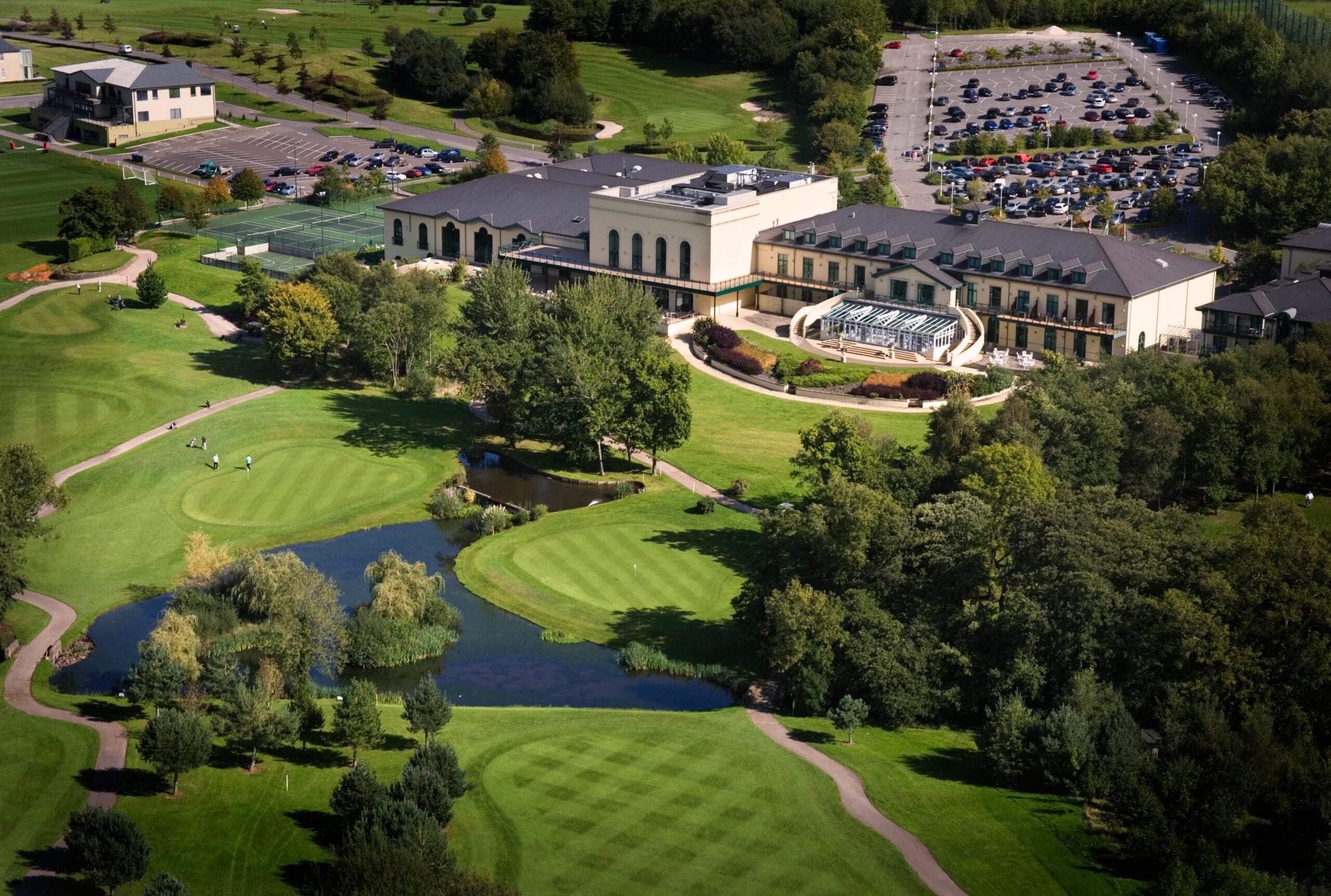
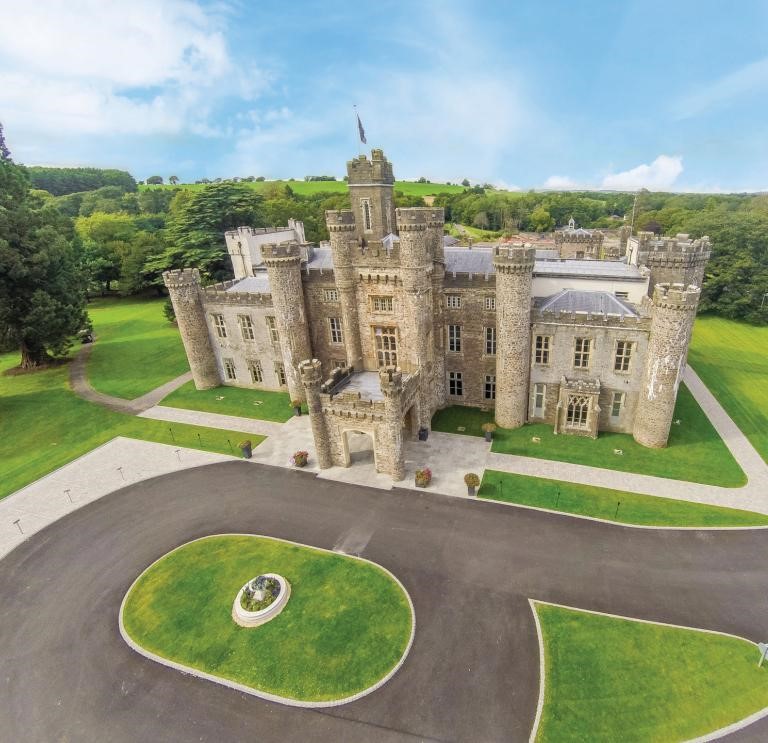
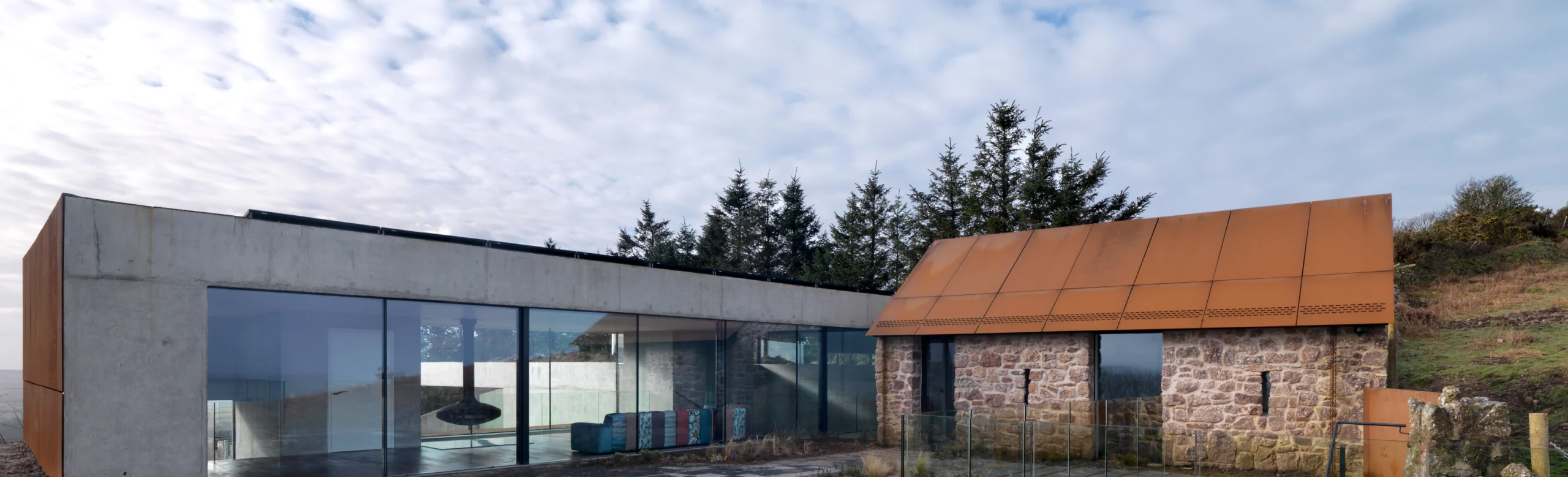
Browse a diverse range of projects across a variety of sectors highlighting examples of key services we provide our clients within Civil & Structural Engineering.

Start your project with us
Our engineers combine specialist knowledge and technical expertise to guide projects from start to finish.
Whether we are working with developers, architects, construction companies or directly with residential clients, our commitment to provide first-class customer service means that not only are your aspirations met, but they are met through a positive, open, and trusted relationship.