If you need extra room but don’t want to commit to a full extension or house move, your unused loft could provide the solution. A well-planned loft conversion can unlock valuable space above your head without major structural alterations – provided it’s approached with safety, compliance, and long-term performance in mind.
At Vale Consultancy, we support homeowners in making the most of their existing structures, ensuring loft conversions are not only practical but structurally sound and compliant with building regulations. Below, we outline the key considerations for turning a small loft into usable space.
Define your new space
Before considering any works, establish what you want the loft to achieve – whether that’s a home office, guest bedroom, or storage area. The intended use will determine the structural requirements of floor load capacity, and helps ensure every design choice supports functionality.
Assess structural feasibility
Not all lofts are immediately suitable for conversion. Our engineers typically review:
- Head height – ensuring adequate clearance without roof alterations.
- Floor strength – checking whether reinforcement strengthening works are required to safely carry new loads.
- Access options – planning for a compliant staircase or ladder solution.
- Load paths – confirming that new loads are safely transferred to the existing structure.
This upfront analysis prevents costly surprises and ensures the project is structurally viable.
Minimise unnecessary construction
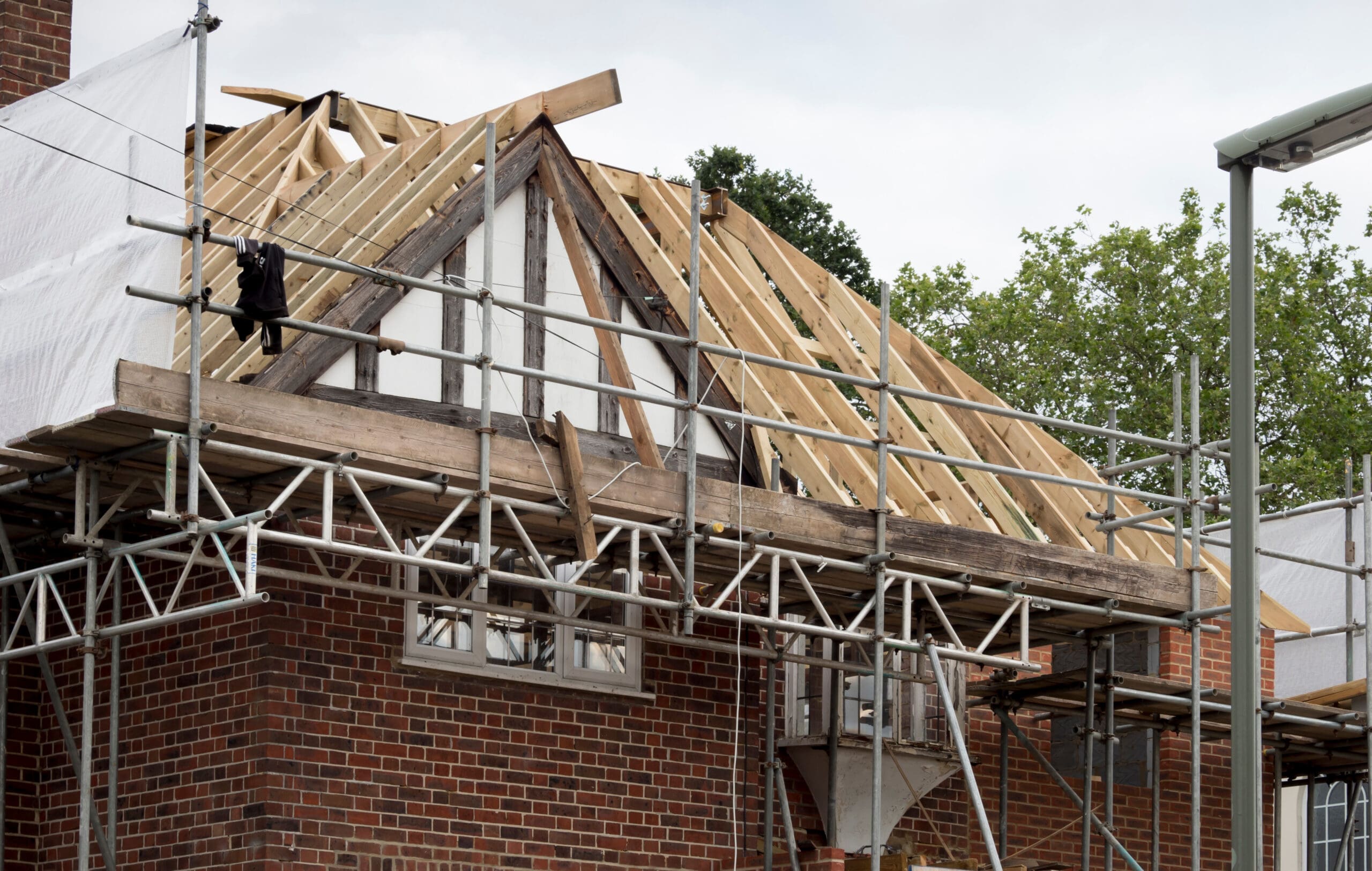
Many small lofts can be converted with limited intervention. If the existing structure is sound, works may focus on:
- Strengthening existing floor joists.
- Installing insulation and plasterboarding.
- Providing natural light via rooflights or dormer windows.
- Adding heating, lighting, and ventilation.
Avoiding major roof alterations helps keep costs, time, and disruption under control.
Prioritise natural light and ventilation
Introducing daylight transforms a loft space. From an engineering standpoint, skylights or roof windows are usually the most practical solution, as they require relatively minor structural modifications compared to full dormers. Ventilation is equally important, helping to prevent condensation and maintain indoor air quality.
Ensure compliance and safety
Even modest loft conversions must meet building regulations, particularly in relation to:
- Structural integrity – floors and roof supports must be capable of carrying increased loads.
- Fire safety – including protected escape routes and appropriate materials.
- Thermal efficiency – sufficient insulation to meet current standards.
- Access and usability – stairs or ladders must be safe and fit for purpose.
We guide clients through the regulatory process, ensuring peace of mind at every stage.
Adding value responsibly
A small loft conversion doesn’t have to mean large-scale construction. By focusing on structural soundness, regulatory compliance, and efficient use of space, you can create a safe and practical new room that adds real value to your home.
At Vale Consultancy, we provide expert structural input tailored to your property and goals. If you’re considering a small loft conversion, contact our team today to discuss how we can help you maximise space while keeping your project safe, compliant, and cost-effective.