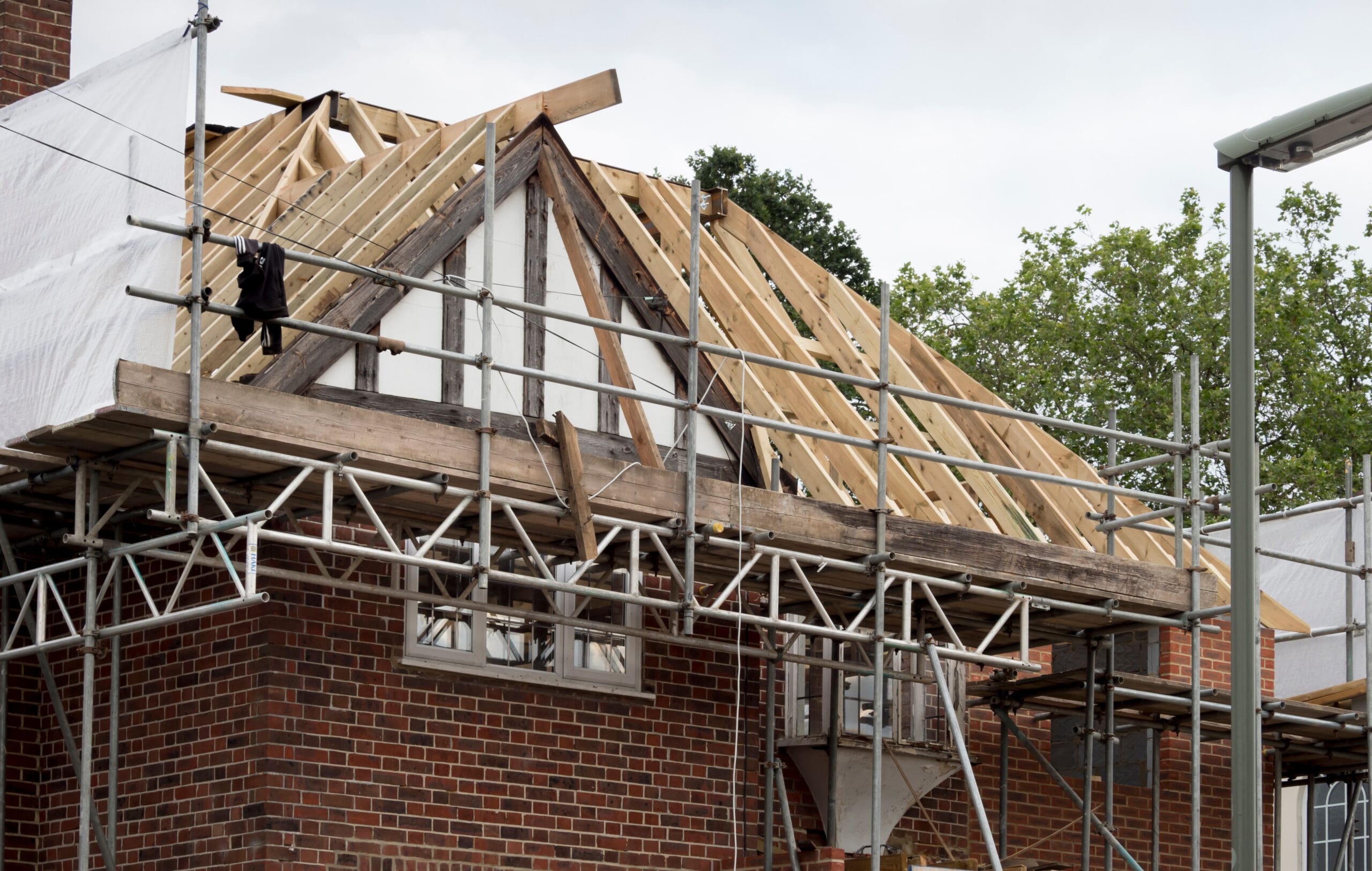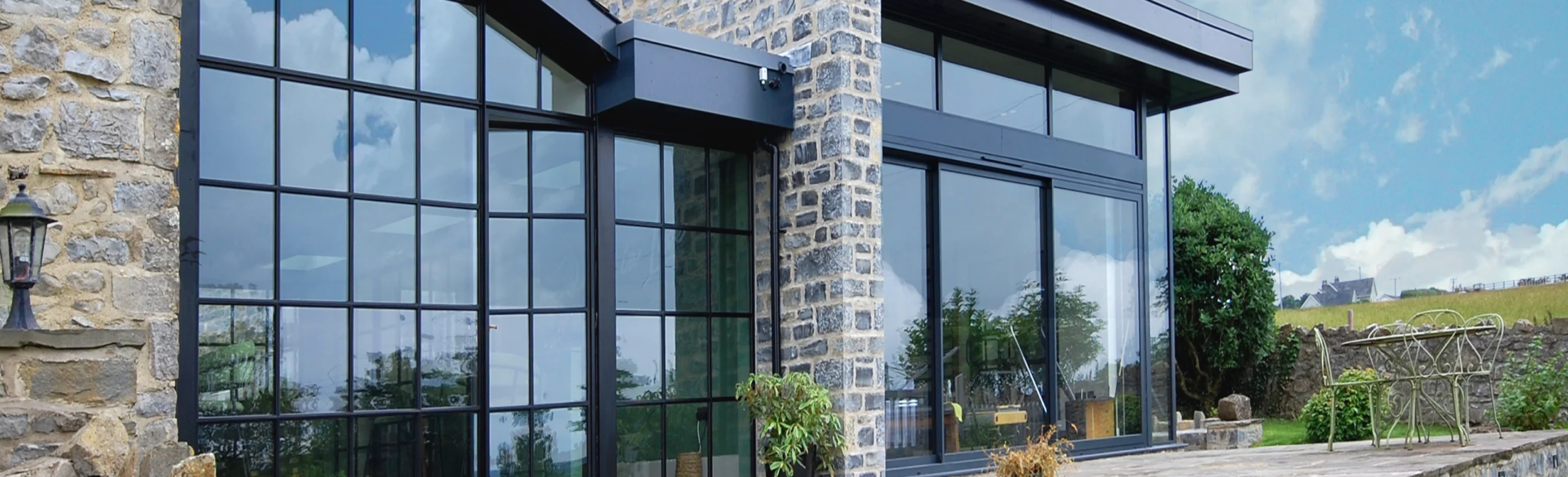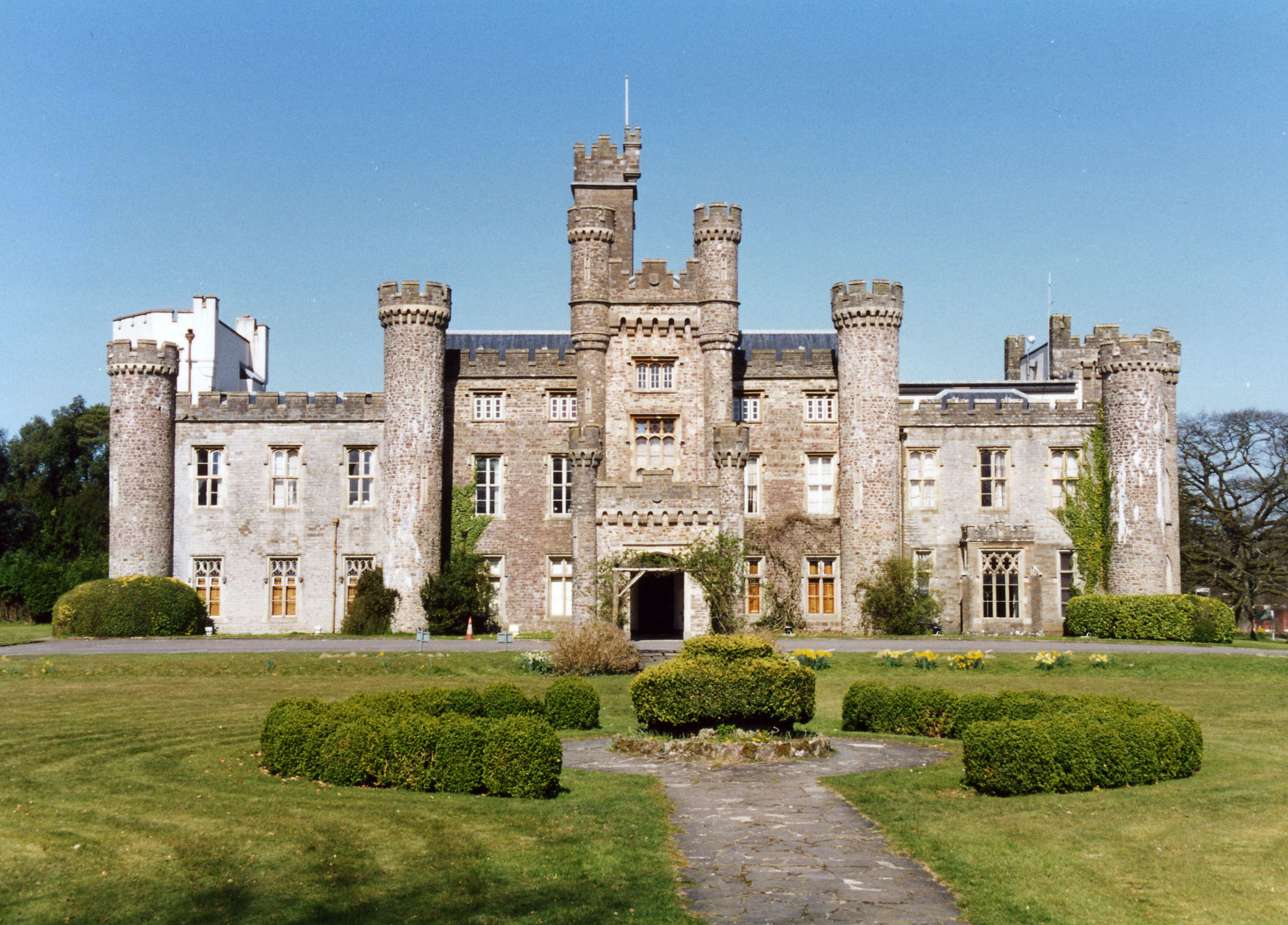
Listed buildings are important examples of the UK’s history and heritage. From Victorian townhouses to historic churches, these important structures reflect and preserve the materials, designs, and architectural techniques of years gone by.
Due to their vital protection, developers and property owners can face unique challenges when assessing listed properties, especially when it comes to their structure.
In this article, we discuss how structural surveys enhanced by modern technologies can play an important role in the preservation of listed buildings.
The role of structural surveys
A structural survey is an inspection carried out by a qualified structural engineer. For listed buildings, these surveys are important in both ensuring safety and in assessing the condition of the structure without negatively impacting its historic characteristics.
Traditional surveys involve a detailed visual inspection and manual testing methods in which foundations, walls, roof, and internal features are surveyed. During a structural survey, the professional will be looking for numerous issues, including signs of movement, excessive moisture in structural elements, or pests, all of which can be detrimental to the listed building’s structure.
Traditional structural survey methods can have limitations when working on listed properties. For example, accessing certain areas may be dangerous or impossible without risking damage to the building.
Using modern technologies
Modern technologies are changing the way structural surveys are conducted on listed buildings through offering non-invasive, accurate insights, preserving their fragile structures while ensuring accurate reporting. Examples of modern technologies used in structural surveys include:
3D Laser scanning and photogrammetry
3D laser scanners can capture millions of data points in minutes, creating detailed digital models of listed buildings. Photogrammetry is similar and uses high-resolution photography to create 3D images. These models help surveyors analyse the building, identify structural issues, and accurately track changes over time.
Conservation considerations
Modern technologies must always be used in a way that is sensitive to the historical character of listed buildings. Any investigation or follow-up work must comply with guidelines set by relevant authorities to ensure these buildings are carefully preserved.
This balance is where skilled engineers play an important part. Their understanding of traditional materials and building techniques enables them to interpret technological data with conservation in mind, ensuring that property owners and developers are well-informed.
Benefits of using modern technologies in structural surveys
Combining structural expertise with modern technologies provides a solid foundation for sustainable conservation. It reduces the need for invasive investigations, prevents unnecessary repairs, and ensures that any work being proposed is appropriate.
It also supports the long-term protection of listed buildings. Owners gain a clearer understanding of the condition and needs of their property, allowing them to plan maintenance that preserves historic integrity while keeping the building safe to occupy.
Structural surveys are a vital part of ensuring that listed buildings are safe, stable, and can be appreciated into the future. With modern technologies improving traditional surveying methods, we now have the tools required to protect our country’s rich heritage.
At Vale Consultancy, our knowledgeable engineers are highly experience in working with listed buildings, including carrying out structural inspections, producing structural reports, and creating designs for structural modification. Contact us today to find out more.